When you think of Dubai, you picture skyscrapers, luxury malls, and desert safaris. But beneath the glitter, there’s another side - one that’s been quietly shifting for over a decade. Adult work in Dubai hasn’t disappeared. It’s transformed. What used to be a shadowy, high-risk underground scene is now a more structured, digital-first industry - still illegal, but far more complex than most outsiders realize.
The Old Rules: Cash, Phones, and Hidden Apartments
Ten years ago, if you wanted to find an escort in Dubai, you relied on word of mouth, private forums, or flyers tucked under car windshields. Agencies operated out of residential buildings in Deira or Bur Dubai, often using fake business names like "consulting services" or "travel assistance." Payment was almost always cash. No bank transfers. No digital receipts. No online profiles. Women worked alone or in small groups, and safety was an afterthought. Many didn’t have legal residency. Some were on tourist visas. If the police raided a flat, there was no lawyer waiting outside.The risk was real. Arrests were common. Deportations followed quickly. In 2015, Dubai police reported over 200 arrests linked to sex work - a number that didn’t include the many who fled before being caught. The stigma was crushing. Families back home didn’t know. Friends didn’t ask. You lived in silence.
The Shift: From Streets to Screens
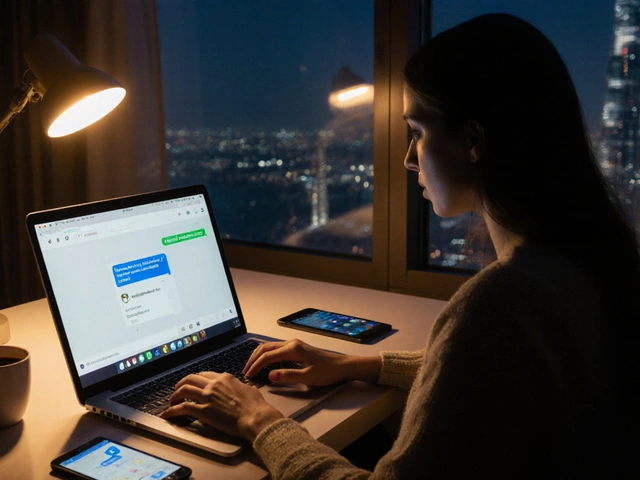
Around 2018, something changed. Smartphones became cheaper. WhatsApp and Telegram became the new phone lines. Instagram and private Facebook groups replaced printed flyers. Women started building their own profiles - discreet, professional, with no faces shown. They used coded language: "private dining experience," "evening companion," "discreet travel support." The language was vague, but the intent was clear.Payment shifted too. Apple Pay, PayPal, and even cryptocurrency became common. No more carrying cash. No more counting bills in dimly lit hotel rooms. Transactions became traceable - but harder to link directly to the person providing the service. Many started using virtual numbers and encrypted apps. Some even hired virtual assistants to manage messages and bookings.
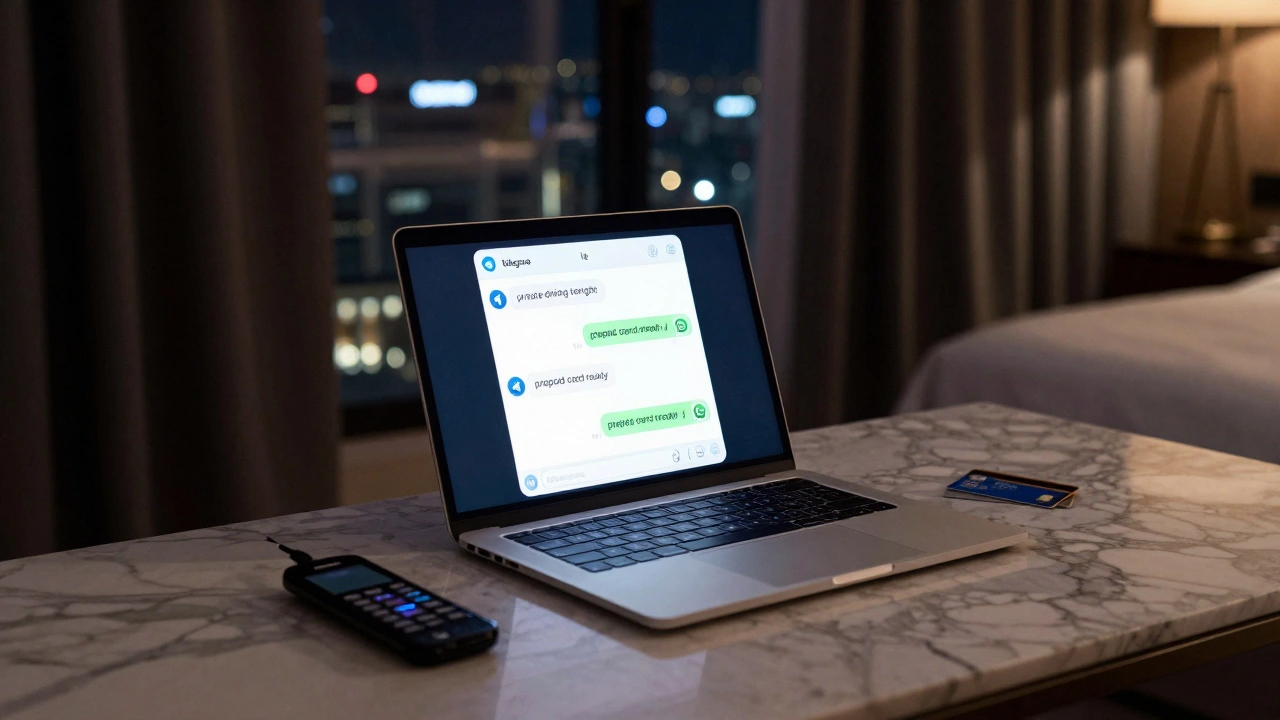
This wasn’t just about convenience. It was survival. The more you could separate your identity from your work, the safer you were. One woman, who asked not to be named, told me she used a burner phone and a fake name from a different country. She booked clients through a Telegram bot that auto-replied with availability and pricing. She never met anyone at her apartment. Always a hotel room - booked under a different name, paid with a prepaid card.
Who’s Doing This Now?
The people working in Dubai’s adult industry today aren’t who you might expect. In 2015, most were Eastern European or Russian. Now, it’s a global mix: Filipinas, Ukrainians, Thais, South Africans, even a growing number of local Emirati women - though they’re the most hidden of all. Many come on tourist visas, overstaying by weeks or months. Others have student visas, working under the radar.Age has shifted too. In the past, most were in their early 20s. Now, you see women in their late 20s and 30s. Some have degrees. Some worked in marketing or hospitality before switching. One woman I spoke with had been a flight attendant for Emirates before she started working independently. She said the pay was five times higher, and the hours were better.
There’s also a rise in male escorts - something almost unheard of a decade ago. They mostly serve expat women and wealthy local clients. Their profiles are even more discreet. No photos. Just text. No names. Just usernames like "DubaiGent" or "PrivateDutyDXB."

The Role of Technology and Apps
AdultWork.com used to be the main hub for listings in Dubai. But in 2020, the site started blocking Dubai-based IPs. Not because of legal pressure - but because of ad blockers and payment processor crackdowns. PayPal and Stripe stopped processing transactions linked to adult services in the UAE. That forced the industry to go fully decentralized.Today, the main platforms are Telegram channels, private Discord servers, and encrypted messaging apps. Some use custom-built websites hosted on offshore servers. One group I came across used a site built on a .xyz domain, hosted in the Netherlands, with a payment gateway based in Malta. The woman running it said it cost her $80 a month - less than her phone bill.
AI tools are now used to generate profile descriptions, translate messages into Arabic and Russian, and even schedule appointments. Some use chatbots to filter out police informants or overly aggressive clients. One escort told me she uses a simple AI script that asks clients three questions before allowing a booking: "What’s your reason for visiting Dubai?" "Have you been here before?" "Are you on a work visa?" If the answers feel off, the bot says, "I’m fully booked this week."
Law Enforcement and the New Reality
Dubai police still crack down. But their tactics have changed. Instead of raiding apartments, they monitor online activity. They scan Telegram groups for keywords. They track payment flows through cryptocurrency exchanges. In 2023, a joint operation between Dubai’s Cybercrime Unit and Interpol shut down a network using Monero to pay for services. Six people were arrested. But the network’s website? It came back online two weeks later, hosted on a new server.There’s also a growing trend of "compliance" - where women hire legal advisors to help them avoid detection. One firm in Dubai offers "discreet business consulting" - advising clients on how to structure payments, use private addresses, and avoid digital footprints. It costs $500 a month. But for some, it’s worth it.
Still, the risk remains. If you’re caught, the punishment is severe: deportation, fines up to 10,000 AED, and sometimes jail time. No one talks about it afterward. No press releases. No court records. It just disappears.

Why It’s Not Going Away
Dubai has over 8 million residents. Only about 12% are Emirati. The rest are expats - young professionals, construction workers, nurses, teachers. Many are lonely. Many are far from home. There’s no real social safety net. Dating apps are limited. Public spaces are strictly monitored. For some, paying for companionship isn’t about sex - it’s about connection.And for those offering the service? It’s often the only way to earn enough to send money home. One Ukrainian woman I spoke with was paying for her sister’s medical treatment back home. She made $4,000 a month. Her next job offer in Dubai? $1,200 as a receptionist.
The demand isn’t fading. The supply isn’t drying up. It’s just getting smarter.
The Future: More Digital, More Dangerous
The next five years will see even more tech integration. AI-generated video profiles. Voice-only booking systems. Biometric verification to confirm client identity. Some are already testing blockchain-based contracts - where payment is released only after a service is confirmed as completed.But the risks are rising too. Scams are more common. Fake clients. Identity theft. Blackmail. One woman lost $15,000 after a client used deepfake video to threaten to expose her. She never reported it. She just left Dubai.
The industry is no longer about who you know. It’s about who you can hide from. The women working today aren’t just surviving - they’re adapting. They’re learning cybersecurity. They’re studying digital privacy laws. They’re treating this like a startup - not a crime.
Will it ever be legal? Unlikely. Dubai’s laws won’t change. But the way people operate? That’s already changed. And it’s not going back.
Is adult work legal in Dubai?
No, adult work is illegal in Dubai. Any form of prostitution, sex work, or paid companionship for sexual purposes violates UAE law. Penalties include deportation, fines, and imprisonment. Even if services are framed as "companionship" or "entertainment," law enforcement still treats them as illegal if sexual activity is involved.
How do escorts in Dubai find clients today?
Most use encrypted messaging apps like Telegram and WhatsApp, private Facebook groups, and custom websites hosted outside the UAE. Many avoid public platforms like AdultWork.com, which now blocks Dubai traffic. Some use AI chatbots to screen clients and automate bookings. Payment is usually made via cryptocurrency, prepaid cards, or digital wallets like Apple Pay to avoid bank traces.
Are there male escorts in Dubai?
Yes, though they’re far less visible than female escorts. Male escorts mostly serve expat women, LGBTQ+ clients, and wealthy local men. Their profiles are extremely discreet - often no photos, just text descriptions. They use pseudonyms and avoid any digital footprint that could link them to their real identity. Many work independently and rarely use the same platform twice.
What are the biggest risks for escorts in Dubai today?
The biggest risks are arrest and deportation, blackmail, scams, and identity theft. With digital transactions, clients can fake identities or use stolen payment methods. Some have been blackmailed with deepfake videos or recorded conversations. Even with precautions, one mistake - like using a real ID to book a hotel - can lead to arrest. Many choose to leave the country quickly if they feel exposed.
Why do women from other countries choose to work in Dubai?
Dubai offers higher earnings than most countries where these women come from. A woman from Ukraine or the Philippines can earn $3,000-$6,000 a month - far more than she could make as a nurse, teacher, or office worker back home. Many are supporting families, paying for education, or saving to start a business. The money is real, even if the risks are high.