If you're doing adult work in Munich, you need to know the rules-because getting it wrong can cost you more than money. It can cost you your freedom, your ability to work, or even your right to stay in Germany. This isn’t about fear-mongering. It’s about facts. And those facts change often. As of 2025, Germany’s prostitution laws are clearer than they’ve been in decades, but confusion still runs deep. Many workers assume what’s legal in Berlin or Hamburg applies in Munich. It doesn’t. And local police enforce rules differently here.
Adult Work Is Legal in Munich-But With Strings Attached
Yes, selling sexual services is legal in Munich. Since 2002, Germany has treated sex work as a legitimate profession under the Prostitution Act (ProstG). That means you can sign contracts, open bank accounts, pay taxes, and even get health insurance like any other worker. But legality doesn’t mean no rules. Munich has its own layer of local ordinances that go beyond national law. The city treats adult work as a regulated trade, not a free-for-all.
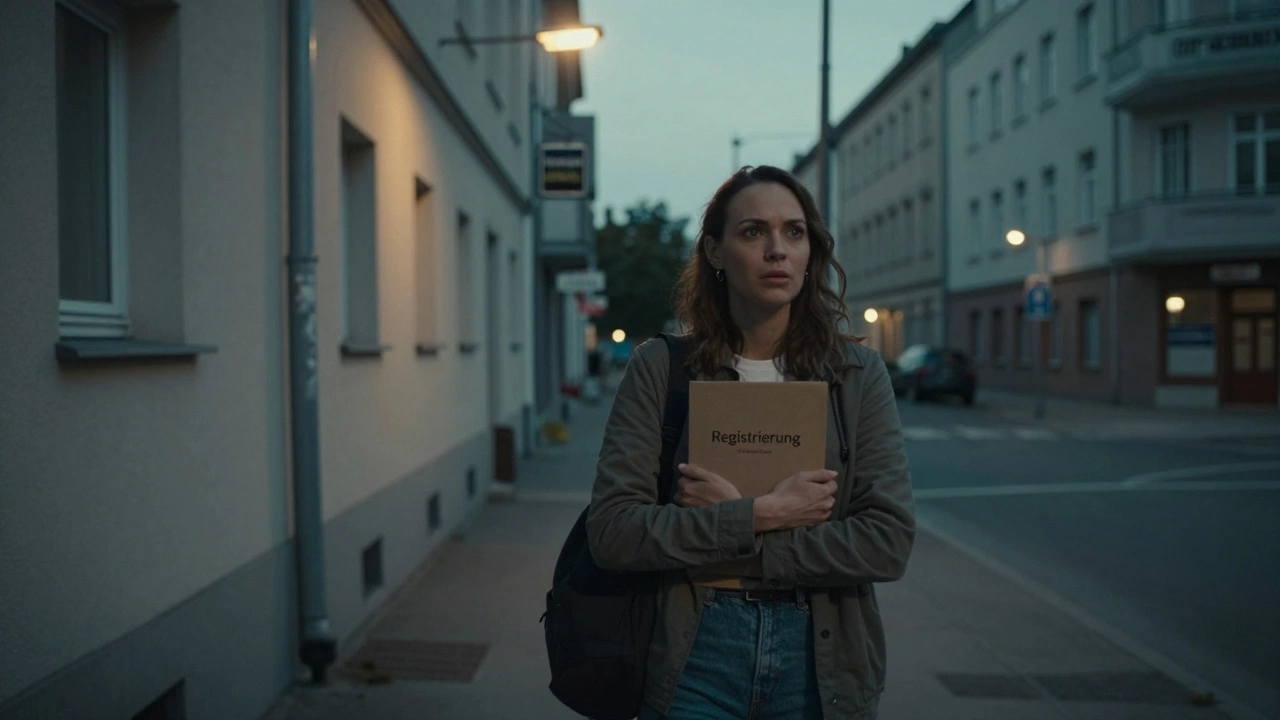
You must register with the Ordnungsamt (Public Order Office) within 14 days of starting work. Failure to register is a fine of up to €5,000. Registration isn’t optional. It’s not a formality. It’s the first step to being protected under German labor law. Without it, you can’t prove you’re working legally-and if you’re ever stopped by police, you have no defense.
Where You Can Work Matters More Than You Think
You can’t just set up shop anywhere. Munich bans street-based work in entire districts: the area around Marienplatz, the train station (Hauptbahnhof), and all parks in the city center are off-limits. Even walking up to cars near the English Garden can get you fined. Police use surveillance cameras and plainclothes officers to monitor these zones.
Indoor work is allowed-but only in licensed establishments. That means brothels, massage parlors, or private apartments that have a valid Wirtschaftsgenehmigung (business license) for adult services. If you work from your own apartment without a license, you’re breaking municipal law, even if you’re not soliciting on the street. The city requires a minimum distance of 100 meters from schools, churches, and youth centers. Many landlords in Munich now include clauses in leases that ban adult work outright. If you’re caught violating one, you can be evicted immediately.
Health, Insurance, and Your Right to Safety
Under German law, every adult worker must have proof of regular STI testing every three months. You don’t need to show results to clients, but you must keep them on file and be ready to present them to authorities during inspections. The city of Munich partners with the Stadtgesundheitsamt to offer free, confidential testing at three locations. Walk-ins are accepted, and you don’t need a German ID-just your name and date of birth.
Health insurance is mandatory. If you’re registered as self-employed (which you must be), you’re required to join the public health system (GKV) or have private coverage that meets German standards. Many workers think they can skip this because they’re “independent.” That’s a dangerous myth. Without insurance, you’re personally liable for medical bills. A single STI treatment can cost over €1,500. A car accident or fall? That could bankrupt you.
You also have the right to refuse clients. No one can force you to perform any service. If a client threatens you, demands illegal acts, or refuses to use protection, you can call the police-and you will be protected under German law. Munich has a dedicated hotline for sex workers: +49 89 233 888 22. It’s staffed 24/7 by bilingual operators who know how to handle these calls without judgment.
Taxes Are Not Optional-And Here’s How to Handle Them
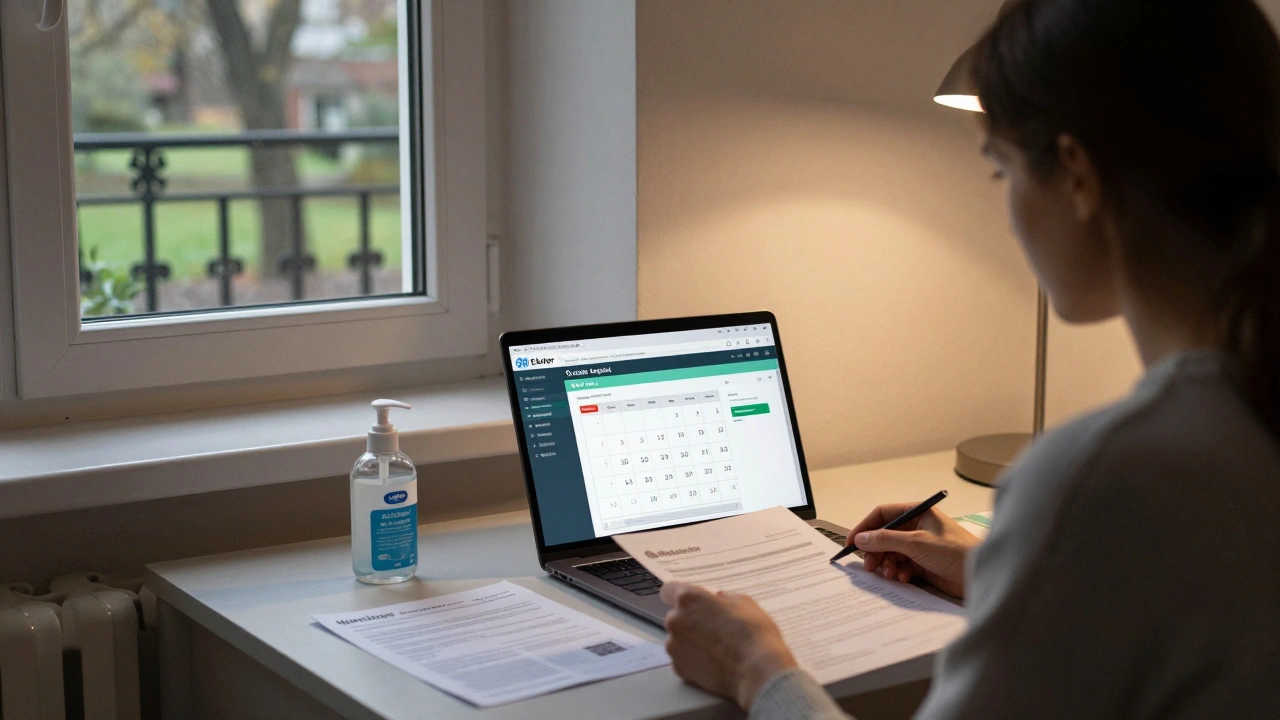
If you earn more than €450 per month from adult work, you must file a tax return. That’s not a suggestion. It’s the law. You’re classified as a Selbstständige (self-employed person). You’ll need to register with the Finanzamt (tax office) and get a tax number. You’ll pay income tax, but you can also deduct expenses: rent for your workspace, transportation, safety equipment, STI tests, even your phone bill if you use it for work.
Many workers panic at the idea of filing taxes. They think it will expose them. But the German tax system is confidential. Your income details are never shared with immigration or police. You can file online using Elster, Germany’s official tax portal. There are free tax advisors in Munich who specialize in helping sex workers. One of them, Netzwerk für sexuelle Arbeit, offers monthly workshops in English and German. You don’t need to be registered to attend.
What You Can’t Do-And What Gets You Arrested
Here’s what’s illegal in Munich, no matter what you’ve heard:
- Working under the age of 18
- Working if you’re under the influence of drugs or alcohol
- Allowing someone else to profit from your work (pimping)
- Advertising services on public billboards or in newspapers
- Working without registration or a business license
- Offering services in public spaces or near protected areas
Being caught for any of these can lead to fines, deportation (if you’re not an EU citizen), or criminal charges. Pimping is treated as a serious offense-even if you’re helping a friend. If you share an apartment with another worker and split rent, that’s fine. If you take 20% of their earnings, that’s illegal.
Advertising is another trap. Posting on AdultWork or similar platforms is legal, but you can’t say “I offer unprotected sex” or “I have no age limit.” Those phrases trigger automated filters and can lead to police investigations. Stick to neutral language: “discreet,” “private,” “flexible hours.” Avoid photos of your face. Many workers use a professional headshot with a neutral background. It’s safer and looks more credible.

What to Do If You’re Stopped by Police
If you’re stopped, stay calm. You have rights. You don’t have to answer questions beyond your name and address. You don’t have to let them into your home without a warrant. You don’t have to show your phone or social media accounts. If they ask for your registration papers, hand them over calmly. If you don’t have them, say so. Don’t lie. Lying to police is a criminal offense in Germany.
If you’re detained, ask for a lawyer. You have the right to one. If you don’t speak German, ask for an interpreter. The city provides free interpreters for legal matters. Don’t rely on a friend to translate. That can be used against you later.
Keep a printed copy of your registration and tax number in your bag. Many workers keep it in a waterproof case. It’s small, it’s simple, and it can save you hours of trouble.
Resources You Can Trust
You’re not alone. There are organizations in Munich that help adult workers with legal, medical, and emotional support-all confidential and free:
- Netzwerk für sexuelle Arbeit - Legal advice, tax help, and workshops. Offers English support.
- Projekt PROST - Free STI testing and counseling. No appointment needed.
- Women’s Help Line Munich - 24/7 hotline for safety concerns, violence, or threats.
- Caritas - Offers housing assistance and language classes if you’re new to Germany.
These groups don’t report you. They don’t ask for your documents. They’re there to help you stay safe and legal.
Final Reality Check
Being legal doesn’t mean you’ll never face judgment. Some neighbors, landlords, or even other workers will treat you differently. That’s not your fault. But your legal status protects you. It gives you leverage. If you’re registered, insured, and compliant, you’re not a target-you’re a professional.
The goal isn’t to be perfect. It’s to be prepared. Every month, check the official Munich city website for updates to local ordinances. Laws change. So should your knowledge. Stay informed. Stay protected. And never assume someone else knows the rules better than you do.