Safety for Sex Workers: Essential Tips, Tools, and Real-World Strategies
When we talk about safety for sex workers, the practical measures and systems that protect adult workers from harm, exploitation, and legal risk. Also known as escort safety, it’s not just about avoiding danger—it’s about building control, confidence, and resilience in a high-risk profession. This isn’t theoretical. It’s daily life for thousands of people working independently, managing clients, handling payments, and navigating laws that don’t always protect them.
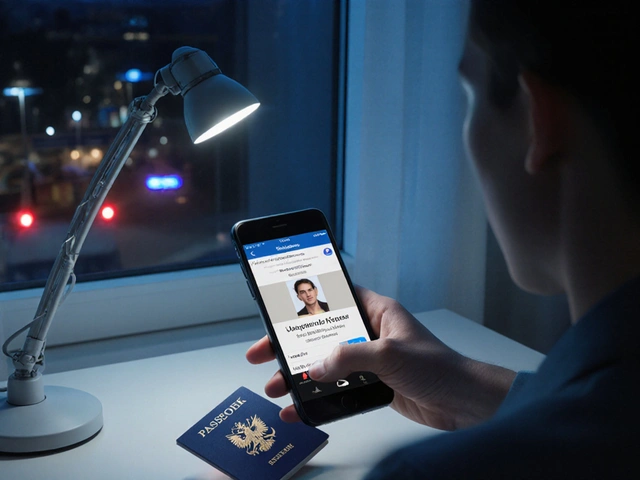
Sex worker safety tools, physical devices and digital apps designed to monitor, alert, and protect adult workers during work. Also known as personal safety devices, it includes everything from GPS trackers and panic buttons to encrypted messaging apps and fake call features. These aren’t luxuries—they’re survival gear. In cities like Munich and Moscow, workers use them to verify client identities, share live locations with trusted contacts, and trigger alarms if things go wrong. And it’s not just tech. Setting clear adult work precautions, structured rules and routines that reduce exposure to risk, from client screening to meeting locations. Also known as escort policies, it includes never working alone, always checking IDs, avoiding cash-only deals, and having a pre-arranged check-in system. These aren’t suggestions. They’re non-negotiable.
Legal risks vary wildly—from Dubai’s strict cyber laws to Germany’s regulated adult industry. In Moscow, workers face stigma and unpredictable police raids. In the UK, many operate legally as self-employed but struggle with banking and taxes. Without proper financial planning, even safe workers can be vulnerable. That’s why adult work safety, a holistic approach combining physical protection, legal awareness, mental health, and financial stability. Also known as escort safety, it includes knowing your rights, understanding local laws, and building a support network. You can’t outsource safety. It has to be built into your routine, your mindset, and your tools.
Stigma doesn’t just hurt feelings—it silences people. Workers who fear judgment won’t report abuse, won’t ask for help, and won’t use safety resources. That’s why confidence hacks, peer networks, and community support are part of the equation. Real safety isn’t just about gadgets or rules. It’s about knowing you deserve protection, and having the power to demand it.
Below, you’ll find real stories, step-by-step guides, and hard-won advice from workers who’ve been there. From how to spot exploitation in Munich to managing finances in Moscow, these aren’t hypotheticals. They’re lived experiences. And they’re the only kind of advice that actually keeps you safe.