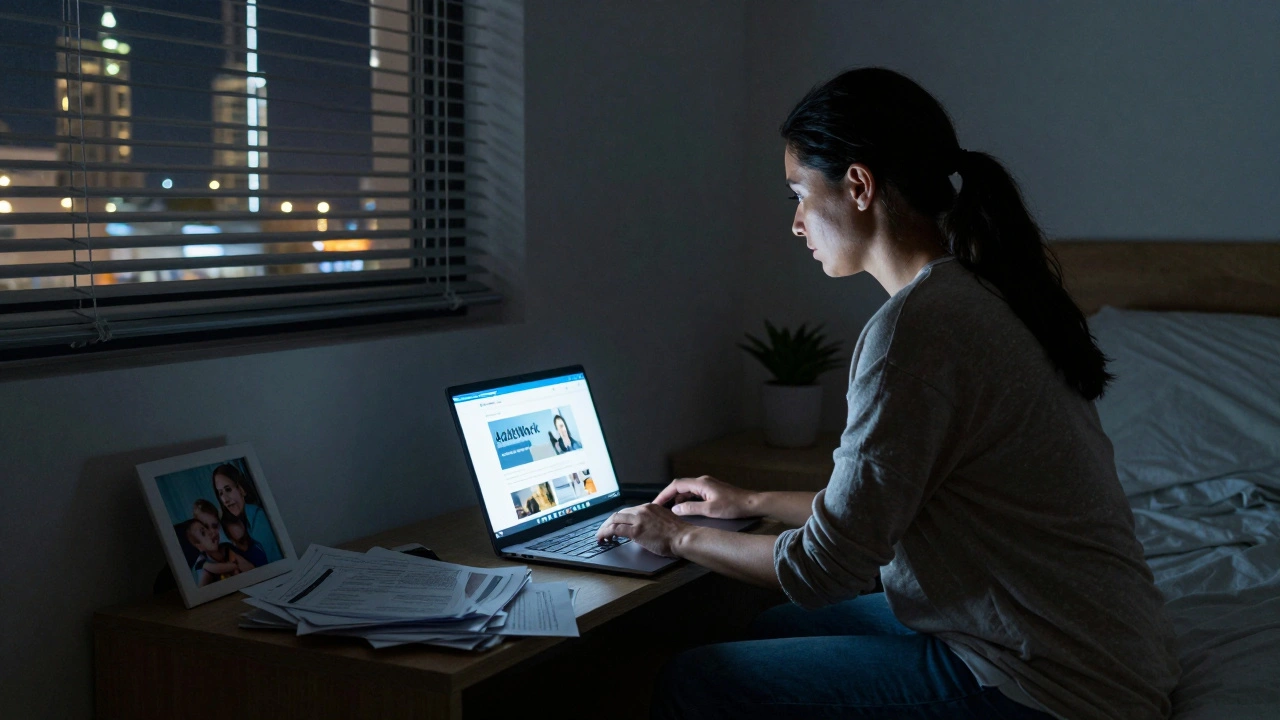
People talk about adult work in Dubai like it’s a secret that everyone knows but no one admits. You see ads online, hear whispers at parties, or read headlines about raids and deportations. But what’s really going on? The truth is, adult work in Dubai isn’t just illegal-it’s buried under layers of fear, misunderstanding, and cultural assumptions that don’t match reality.
The Legal Reality Nobody Talks About
Dubai doesn’t just discourage adult work-it criminalizes it. Under UAE law, any exchange of money for sexual services is illegal, whether it’s through an agency, an independent arrangement, or an online platform. That includes everything from escort services to private meetings. Penalties can mean fines, detention, or deportation, even for foreigners who thought they were just visiting.
But here’s what most people don’t realize: enforcement isn’t random. It’s targeted. Police don’t go after every person who advertises online. They go after high-profile operations, organized groups, or cases that attract media attention. Many independent workers operate quietly, blending into the city’s vast expat population. They’re teachers, nurses, students, or freelancers who use online platforms like AdultWork to connect with clients-often other expats or locals who know how to stay under the radar.
The law doesn’t make sense on the ground. You can walk into a luxury hotel in Downtown Dubai and see people who clearly aren’t tourists. You can scroll through social media and find profiles that hint at services without saying a word. The gap between what’s written on paper and what happens in practice is huge-and it’s why so many people are confused.
Where the Myths Come From
The biggest myth? That adult work in Dubai is all about glamour, luxury, and rich clients. That’s the story you get from movies, gossip blogs, and clickbait articles. In reality, most people doing this work aren’t driving Ferraris. They’re renting small apartments in Deira or Jumeirah, working nights, and saving money to send home or pay off debts. Some came to Dubai for teaching jobs and ended up doing this because rent was too high and salaries too low. Others were recruited under false promises and trapped by debt or passport confiscation.
Another myth: that all workers are foreign women. That’s only half true. There are women from Eastern Europe, Southeast Asia, and Latin America-but there are also men, non-binary people, and transgender individuals. The system doesn’t care about gender identity. It only cares about whether you’re breaking the law.
And then there’s the myth that clients are all wealthy Arab men. That’s not true either. Many clients are expat workers-engineers, construction managers, IT consultants-who live in Dubai for months or years without family. They’re lonely. They’re tired. They’re not looking for romance; they’re looking for human connection, even if it’s paid for.
The Stigma Is Real-And It’s Deadly
Stigma doesn’t just hurt feelings. It kills.
Workers who get caught don’t just face legal trouble. They lose their jobs, their visas, their housing. Some are shunned by friends and family back home. Others are disowned. A woman I spoke with-let’s call her Layla-was deported after a police raid. She had been working for two years to pay for her sister’s medical treatment. When she got home, her family refused to speak to her. She now works in a call center in Manila, earning a third of what she made in Dubai, and still carries the shame.
Even online, the stigma follows. Platforms like AdultWork ban accounts without warning. Payment processors freeze funds. Clients ghost after one meeting. Workers can’t open bank accounts, rent apartments, or even get a SIM card without raising suspicion. No one wants to be associated with them.
The worst part? The stigma comes from everywhere. From the Emirati neighbors who whisper in the elevator. From the expat community that pretends it doesn’t exist. From the government posters warning against "moral corruption." Even well-meaning NGOs that offer help often frame it as a rescue mission-like these people are victims who need saving, not individuals making hard choices in a broken system.

Why People Choose This Work
Let’s be clear: no one wakes up and says, "I want to be an escort in Dubai." People end up here because they have no other options.
Take Ahmed, a Nigerian engineer who came to Dubai for a contract job. His salary was $2,500 a month. Rent for a one-bedroom apartment? $1,800. Food, transport, phone bill? Another $500. He had $200 left. He started offering massage services on AdultWork. Within weeks, he was making $1,200 extra a month. He didn’t want to do it. But he needed to send money home to his mother, who was sick. He kept quiet. He told no one.
Or Maria, a Ukrainian nurse who moved to Dubai after her husband left her. She had no family here. Her visa was tied to her job. When she lost it, she had 30 days to leave the country. She didn’t have enough savings. So she found a way to earn quickly. She didn’t see herself as a sex worker. She saw herself as someone trying not to end up on the street.
These aren’t exceptions. They’re the norm. Most people in this industry are doing it because they’re stuck. Not because they love it. Not because they’re glamorous. Because they have no safety net.
What No One Tells You About Safety
Working in Dubai’s adult industry isn’t just risky because of the law. It’s risky because there’s no support system.
There are no worker unions. No legal protections. No way to report abuse without risking arrest. If a client becomes violent, you can’t call the police. If you’re overcharged by a landlord who knows you’re vulnerable, you can’t complain. If you get sick, you avoid hospitals because you don’t want your documents checked.
Some workers use coded language to screen clients. Others meet in public places first. A few rely on online forums to warn each other about dangerous people. But there’s no official network. No hotline. No government agency that helps.
And when something goes wrong-when someone disappears, or gets deported, or is found dead-the story disappears too. No headlines. No investigation. Just another case file closed because "the victim was involved in illegal activity."

Changing the Conversation
The truth is, we don’t need to legalize adult work in Dubai to start treating people with dignity. We just need to stop pretending it doesn’t exist.
Imagine if workers had access to basic health checks without fear of arrest. If they could report violence without being deported. If they could open a bank account or rent an apartment without being judged. These aren’t radical ideas. They’re basic human rights.
Some organizations are trying. A small group in Sharjah runs a discreet drop-in center where workers can get condoms, clean water, and legal advice. They don’t ask for ID. They don’t report names. They just show up. That’s the kind of support that actually helps.
But real change won’t come from charity. It will come when people stop treating adult work as a moral failing and start seeing it as a survival strategy in a system that doesn’t care who gets left behind.
What You Can Do
If you live in Dubai and you know someone who’s doing this work, don’t judge them. Don’t gossip. Don’t pretend you’re better than them. They’re not your problem. They’re your neighbor. Your coworker. Your friend.
If you’re reading this from outside Dubai, don’t click on sensational headlines. Don’t assume you know their story. Don’t reduce their lives to a stereotype. These are people trying to survive in a city that doesn’t make room for them.
And if you’re someone doing this work right now-know this: your worth isn’t defined by the law, the stigma, or the silence. You’re not broken. You’re not shameful. You’re just trying to make it through another day.
Is adult work legal in Dubai?
No, adult work is illegal in Dubai under UAE law. Any exchange of money for sexual services-whether through agencies, private arrangements, or online platforms-is considered a criminal offense. Penalties include fines, detention, and deportation, especially for foreign nationals.
Who typically works in adult work in Dubai?
Most workers are expats from Eastern Europe, Southeast Asia, Latin America, and Africa. Many came for other jobs-teaching, nursing, engineering-and turned to adult work because rent and living costs were too high. Some are men, non-binary, or transgender individuals. The majority are not there by choice but because they have no other way to survive.
Are clients mostly wealthy locals?
No. While some clients are wealthy, many are expat workers-engineers, IT staff, construction managers-who live in Dubai for months or years without family. They’re often lonely, overworked, and seeking human connection, not luxury. The idea that all clients are rich Arabs is a myth.
Can workers report abuse or violence?
Reporting abuse is extremely risky. Since adult work is illegal, contacting police can lead to arrest, detention, or deportation. Most workers avoid reporting violence entirely. Some rely on informal networks or underground groups to warn others about dangerous clients, but there is no official support system.
Why do people stay in Dubai if it’s so dangerous?
Many are trapped. Their visas are tied to jobs they’ve lost. They owe money to recruiters or landlords. Some have family back home depending on the money they send. Others don’t have enough savings to leave. Even with the risks, staying often feels safer than returning home with nothing.
Is there any help available for workers in Dubai?
A few small, discreet organizations offer basic support-condoms, clean water, legal advice, and a safe space to talk. These groups don’t ask for names or report to authorities. They operate quietly, often funded by donations. But there is no government support, no hotline, and no public system. Help exists, but it’s limited and hard to find.