When you hear "adult work Moscow," what comes to mind? Glamour? Danger? Mystery? The truth is far more ordinary-and far more human-than most headlines suggest. Behind the profiles on AdultWork and other platforms are real people: mothers, students, artists, immigrants, and ex-engineers who ended up in this line of work for reasons as varied as their backgrounds. This isn’t a story about fantasy. It’s about survival, choice, and the quiet resilience of people trying to make rent in a city where the cost of living is rising and wages aren’t.
"I Was a Teacher Before I Became an Escort"
Anya, 34, taught English in a public school in Novosibirsk until her husband left and her salary barely covered daycare. She moved to Moscow in 2022, hoping to find something better. After six months of job hunting-facing constant rejection because she didn’t have local registration-she signed up on AdultWork. "I didn’t want to do it," she says. "But I needed to pay for my daughter’s speech therapy. I didn’t have any other options." She works two to three days a week, mostly from home. She screens clients carefully. Uses a pseudonym. Never meets anyone without a video call first. Her clients? Mostly Russian professionals in their 40s and 50s. "They’re not monsters," she tells me. "They’re lonely. Sometimes they just want someone to talk to. I charge 4,000 rubles an hour. That’s more than I made teaching for a full day." Anya’s story isn’t rare. A 2024 survey by a Moscow-based NGO found that 37% of women working in adult services had previously held white-collar jobs. Many were teachers, accountants, or medical assistants. The common thread? A sudden financial shock-divorce, illness, job loss-and no safety net.The Rules No One Talks About
There’s no official licensing for adult work in Russia. No union. No legal protection. That means workers create their own rules. The most important one? Never give out your real name or address. Most use virtual numbers, encrypted apps like Signal, and separate bank accounts funded through crypto or cash deposits. "I have three phones," says Dmitri, 29, who works as a male escort in Moscow. "One for clients. One for friends. One for family. I don’t tell my parents what I do. My sister thinks I’m a freelance photographer. I’m okay with that." He charges 6,000 rubles per hour. Works mostly in hotels. Avoids apartments. "If something goes wrong, I don’t want them knowing where I live. I’ve seen guys get robbed. I’ve seen women get threatened. You learn fast here." Another unspoken rule: never trust anyone who asks for photos without payment upfront. Scammers are everywhere. A common trick? "I’ll send you 10,000 rubles first," they say. Then they send a fake screenshot. Workers now use payment verification tools built into AdultWork’s platform. It’s not perfect-but it’s better than nothing.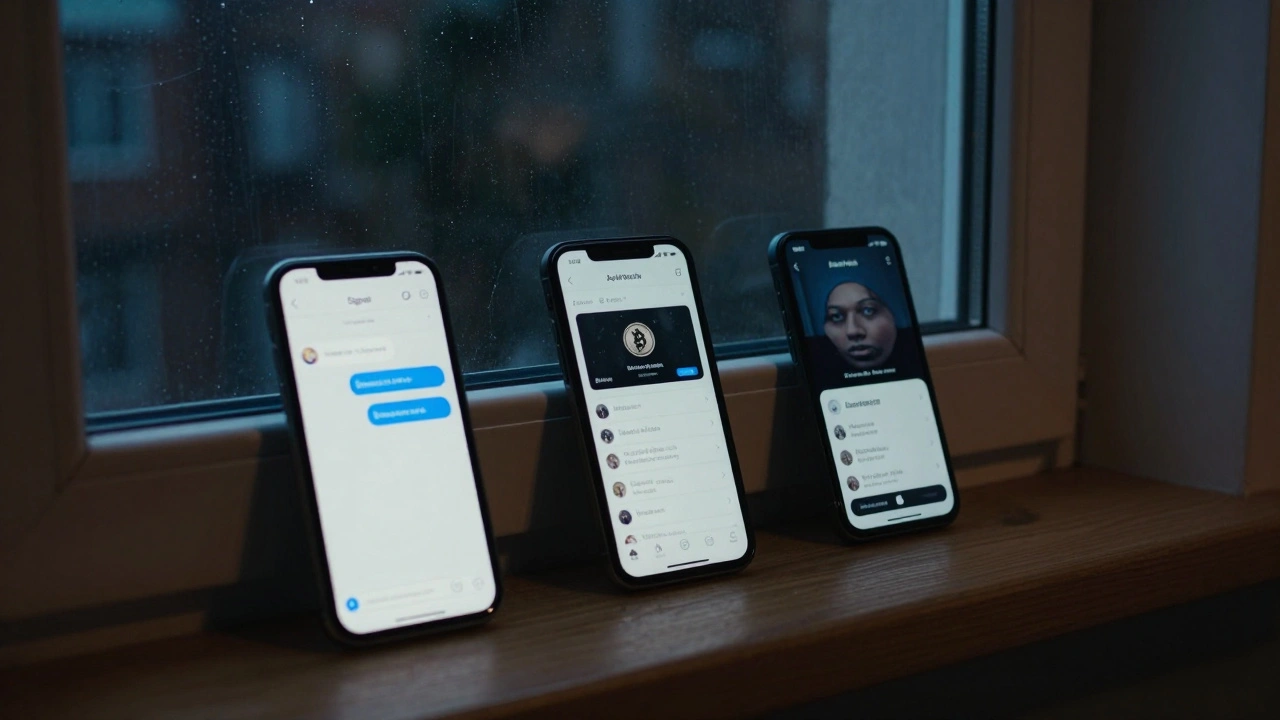
Why Moscow? Why Not St. Petersburg or Kazan?
Moscow isn’t the only city with adult work. But it’s the only one with the scale. With 12 million people, it’s Russia’s economic engine. More money. More demand. More anonymity. "In Kazan, you know everyone," says Lena, 26, who moved from Tatarstan to Moscow two years ago. "In Moscow, you’re just a face in the crowd. No one asks questions. No one cares. That’s the freedom." The city’s size also means more opportunities to specialize. Some workers focus on high-end clients who pay 15,000 rubles an hour. Others do video calls only. A few work with couples. One man I spoke with specializes in roleplay scenarios for clients with disabilities. "I’m not a nurse," he says. "But I’m good at listening. That’s what they’re paying for." The platform AdultWork dominates here-not because it’s the prettiest, but because it’s the most reliable. It has filters for location, price, services, and language. It lets workers post photos without showing their faces. It has a review system. Most importantly: it doesn’t ask for ID. In a country where police sometimes raid apartments based on anonymous tips, that’s priceless.The Cost of Doing This
The money looks good on paper. But the hidden costs are brutal. First, there’s the mental toll. "I cry every Sunday," says Nastya, 31. "I don’t know why. I’m not sad. I’m just… empty. I don’t feel like myself anymore." Second, there’s the social isolation. Many workers cut ties with old friends. Some change their names legally. Others stop posting on social media. "I deleted Instagram," says Alex, 28. "I didn’t want my ex-girlfriend to find me. She still thinks I’m in IT." Third, there’s the risk of violence. In 2023, a woman in the southern district of Moscow was attacked by a client who stole her phone and cash. The police didn’t file a report. "They asked why I was working alone," she told a local advocacy group. "Like it was my fault." That’s why most workers rely on peer networks. WhatsApp groups. Telegram channels. One group, called "Moscow Safety Net," has over 2,300 members. They share warnings about bad clients. They offer rides home. They send emergency contacts. "We don’t have the state," one member wrote. "So we have each other."
What Happens When You Want Out?
Leaving isn’t easy. Many workers have no savings. No formal work history. No references. Some have been doing this for years. They’ve forgotten what it’s like to sit in an office. To wear a suit. To answer a phone without checking if it’s a client. A few organizations try to help. One, called "New Path," offers free resume workshops and connects workers with remote jobs in customer service or data entry. Another, "Safe Exit," helps people change their names and get new documents. But they’re underfunded. They rely on donations. They can’t help everyone. "I wanted to become a translator," says Olga, 36, who left the industry in 2024 after saving 1.2 million rubles. "I took an online course. Got certified. Applied to 47 jobs. Got three interviews. Two said I was overqualified. One said my resume looked ‘unusual.’ I didn’t tell them why." She now works freelance from home. It’s less money. But it’s hers. "I don’t have to smile at strangers anymore. That’s worth more than any salary."What This Work Really Is
Adult work in Moscow isn’t about sex. Not really. It’s about human connection. About loneliness. About money. About surviving in a system that doesn’t care if you live or die. The clients? Most are just people. Not predators. Not perverts. Just tired men and women who’ve been told to be quiet, to be strong, to never show weakness. They pay for someone who won’t judge them. Who won’t ask for more than they can give. The workers? They’re not victims. Not heroes. Just people trying to get by. Some hate it. Some don’t. Some are proud of what they’ve built. They pay their bills. They feed their kids. They keep the lights on. This isn’t a story about morality. It’s about reality. And reality doesn’t come with a script.Is adult work legal in Moscow?
Selling sexual services isn’t technically illegal in Russia-but advertising it, organizing it, or living off the earnings is. That’s why most workers avoid public ads, use encrypted apps, and never work from home without strict privacy rules. Police rarely arrest workers directly, but they often use minor violations-like lacking registration or using a fake ID-to pressure or fine them.
How much do adult workers in Moscow actually earn?
Earnings vary widely. Entry-level workers might make 2,000-4,000 rubles per hour. Mid-tier workers charge 5,000-8,000 rubles. High-end workers, especially those with niche skills or strong online profiles, can earn 15,000-25,000 rubles per session. Most work 2-4 days a week. That means monthly income ranges from 40,000 to 120,000 rubles-far above the average Moscow salary of 85,000 rubles, but with no benefits, no sick leave, and no job security.
Are there male escorts in Moscow?
Yes, but they’re less visible. Most male workers on AdultWork are either gay or work with couples. Straight male escorts are rare because demand is lower-and the stigma is higher. Men who do this often face more judgment from family and friends. They’re also more likely to be targeted by scammers or police. Many use aliases and avoid showing their faces in photos.
Why do so many workers use AdultWork instead of other platforms?
AdultWork is the most established platform in Russia. It’s been around since 2010. It doesn’t require ID verification, which is critical in a country where police can use personal data to track workers. It has filters, reviews, and a secure messaging system. Other platforms either shut down, get blocked by authorities, or demand too much personal info. For most workers, AdultWork is the least risky option-even if it’s not perfect.
Can workers in Moscow get help if they’re abused?
There are no government services for adult workers. If you’re abused, you’re on your own. Some NGOs like "New Path" and "Safe Exit" offer limited support-counseling, legal advice, help changing your identity-but they’re small and underfunded. Most workers rely on peer networks: WhatsApp groups, Telegram channels, and informal networks of trust. If something happens, they warn others. That’s the real safety net.
If you’re curious about what adult work looks like in Moscow, don’t look at the photos. Don’t read the ads. Talk to the people behind them. They’re not selling fantasy. They’re selling time. And sometimes, that’s the only thing they have left to give.