
When people talk about adult work in Moscow, they often focus on the risks, the stigma, or the legal gray zones. But what if the real story isn’t just about Moscow? What if the answers to safer, more sustainable work for sex workers in Russia are already out there-in cities like Amsterdam, Berlin, New Zealand, and even within Russia’s own borders, like in St. Petersburg?
What Adult Work in Moscow Actually Looks Like Today
Adult work in Moscow isn’t one thing. It’s a mix of independent escorts, agency-based workers, online-only performers, and street-based individuals. Most operate under constant pressure: police raids, payment app blocks, social media bans, and the threat of being reported by clients or neighbors. There’s no legal framework protecting them. No way to report abuse without risking arrest. No access to healthcare that doesn’t require a passport or a permanent address.
Many workers use platforms like AdultWork.ru to list services, but even those are vulnerable. Payments get frozen. Profiles get deleted overnight. Clients vanish after a session. And when something goes wrong-when a client becomes violent, when a landlord kicks them out, when they’re robbed-there’s no one to call.
This isn’t just about morality. It’s about survival.
How Amsterdam Got It Right (And What It Took)
Amsterdam didn’t become known for regulated adult work overnight. It took decades of activism, public debate, and policy experiments. In 2000, the Netherlands legalized brothels and required sex workers to register, pay taxes, and follow health and safety rules. The result? Fewer street-based workers. Fewer trafficking cases. More access to healthcare and legal recourse.
But here’s what most people miss: the real change came from sex workers themselves. They formed unions. They ran safety workshops. They pushed for mandatory client ID checks and panic buttons in brothels. The government didn’t save them-they helped create the space for workers to save themselves.
What Moscow could learn: Legalization isn’t about giving permission. It’s about giving power. Power to report abuse. Power to demand safe conditions. Power to walk away from bad clients without fear.
Berlin’s Decriminalization Model: Less Regulation, More Safety
Berlin took a different path. Instead of legalizing brothels, they decriminalized sex work entirely. In 2002, Germany removed the ban on solicitation and allowed workers to sign labor contracts. No permits. No registration. No police oversight.
What happened? Crime dropped. Workers reported higher levels of safety. Organizations like Prostitution Information Center a Berlin-based NGO that offers legal advice, health screenings, and housing support to sex workers became lifelines. Workers could go to hospitals without being reported. They could file police reports without being treated as criminals.
In Moscow, if a worker is robbed, they’re often blamed for being "out too late." In Berlin, police treat it as a robbery-period. That shift in attitude changes everything.

New Zealand: The Gold Standard
In 2003, New Zealand passed the Prostitution Reform Act. It didn’t just decriminalize sex work-it treated it as work. Workers could unionize. They could sue clients for assault. They could rent office space without fear of being shut down. Health services were integrated into public clinics.
Studies from the University of Otago showed a 60% drop in violent incidents against sex workers in the first five years. The number of people trafficked into the industry fell. And public opinion shifted-from fear to acceptance.
Why does this matter for Moscow? Because it proves that treating sex work as labor, not crime, leads to measurable safety gains. No one in New Zealand gets arrested for working. No one has to hide their income. No one has to choose between rent and reporting a rape.
What Russia’s Own Cities Are Doing Differently
It’s easy to assume Moscow is the worst. But St. Petersburg has a growing network of peer-led safety groups. Workers there share client blacklists over encrypted apps. They meet in safe houses to check in on each other. Some even organize legal workshops with volunteer lawyers.
In Kazan, a few independent workers have started using video verification before meetings. They record the client’s face and license plate. They send it to a trusted friend. It’s not perfect, but it’s a start.
These aren’t big policy changes. But they’re grassroots solutions built by people who’ve been left behind. Moscow could learn from them-not from foreign governments, but from its own.
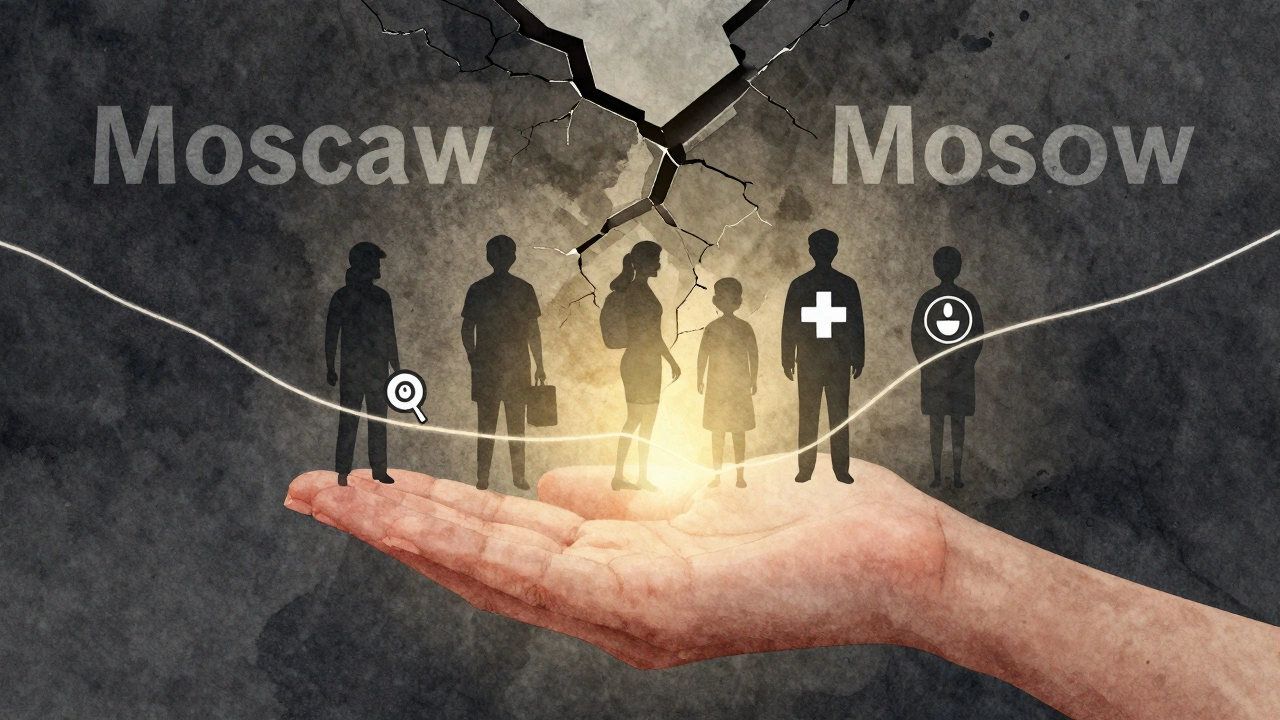
The Biggest Lesson: Safety Isn’t About Laws-It’s About Trust
None of these models worked because of fancy legislation. They worked because communities trusted each other.
In Amsterdam, workers taught each other how to spot dangerous clients. In Berlin, peer networks shared safe addresses. In New Zealand, unions gave workers a voice in policy talks.
In Moscow, isolation is the biggest killer. Workers don’t know who to trust. They don’t know if the person offering "protection" is a pimp or a cop. They don’t know if calling the police will help-or get them jailed.
Fixing that doesn’t require a new law. It requires building networks. It means creating safe spaces-online and offline-where workers can share information without fear. It means connecting them with doctors who won’t report them. It means training volunteers to help with legal paperwork, housing, or emergency exits.
What Can Be Done Right Now?
You don’t need a government to start making a difference. Here’s what’s already working in other places-and what can be copied in Moscow:
- Peer safety networks-Use encrypted apps like Signal to share client names, photos, and warning signs. No public lists. Just trusted circles.
- Video verification-Record the client’s face and car before a meeting. Send it to a friend. Keep a copy.
- Safe meeting spots-Pool resources to rent a secure, monitored room. Not a hotel. Not an apartment. A dedicated space with cameras and a panic button.
- Health access-Partner with clinics that offer anonymous STI testing. Many in Russia already do. Workers just need to know where to go.
- Legal literacy-Host monthly Zoom calls with volunteer lawyers who explain what rights workers actually have-even in a criminalized system.
These aren’t fantasies. They’re tools used daily by workers in Berlin, Sydney, and Toronto. They cost little. They require no permission. They just require people to care enough to share.
The Future Isn’t Legalization-It’s Solidarity
Legalizing adult work in Russia might take years. Maybe decades. But safety can start today.
The workers in Moscow aren’t waiting for a law to protect them. They’re already protecting each other-in small ways, quietly, without fanfare. What’s missing isn’t the will. It’s the connection.
What if every worker in Moscow had one person they could text at 3 a.m.? What if every new worker got a safety kit-contact numbers, safe locations, emergency phrases? What if the next person who gets robbed didn’t have to suffer alone?
The lessons from other cities aren’t about copying their laws. They’re about copying their humanity.