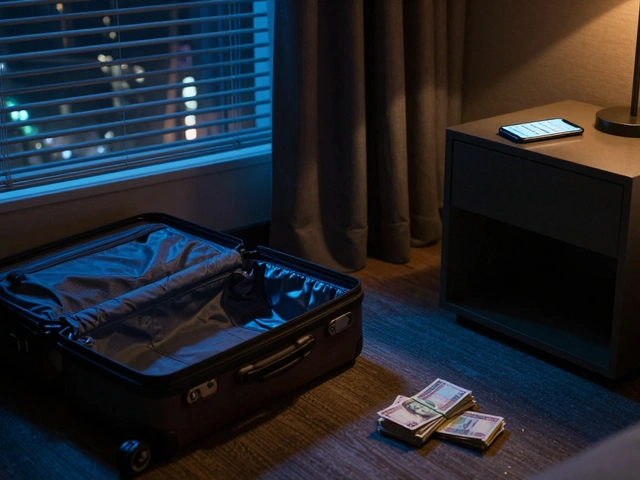
When people talk about adult work in Moscow, they often picture something hidden, dangerous, or illegal. But behind the stigma and silence are real people-women, men, and non-binary individuals-who make choices about their work, their safety, and their futures. This isn’t about fantasy or exploitation. It’s about survival, autonomy, and the quiet courage it takes to navigate a system that rarely listens.
What Adult Work Actually Looks Like in Moscow
Most adult workers in Moscow don’t work on street corners. They don’t advertise in alleyways or rely on pimps. Instead, they use platforms like AdultWork Moscow to connect directly with clients. These are often educated women in their late 20s to mid-40s-teachers, translators, students-who started working part-time to pay rent, support family, or fund education. One woman, who asked to be called Elena, worked as a language tutor by day and offered companionship services by night. "I didn’t want to take loans. I didn’t want to ask my parents. This was the only way I could earn enough without working two jobs," she said.
The work varies. Some offer only conversation and emotional support. Others provide physical intimacy, always on their own terms. Many set strict boundaries: no alcohol, no photos, no last-minute changes. They screen clients using verified profiles, shared reviews, and private messaging. The platform acts like a marketplace, but with more control than most realize.
The Legal Gray Zone
In Russia, prostitution itself isn’t illegal-but almost everything around it is. Soliciting in public? Illegal. Operating a brothel? Illegal. Advertising sexual services online? Illegal. Running a website that connects workers and clients? Also illegal under broad interpretations of "organizing prostitution."
That means adult workers operate in a legal gray zone. They can’t report violence or theft without risking arrest. They can’t access healthcare without fear of being reported. Police raids on apartments or hotels often target workers, not clients. In 2024, over 2,300 individuals were detained in Moscow under anti-prostitution laws, according to human rights monitors. Few clients were ever charged.
"They treat us like criminals," said Maria, a former worker who now runs a support group. "But the men who pay? They walk away clean. That’s not justice. That’s punishment for poverty."
Advocates on the Front Lines
A small but growing network of advocates is pushing back. Groups like Moscow Sex Workers’ Solidarity and the Russian Sex Workers’ Rights Initiative offer legal aid, safe housing referrals, and health screenings. They don’t ask workers to quit. They ask the system to change.
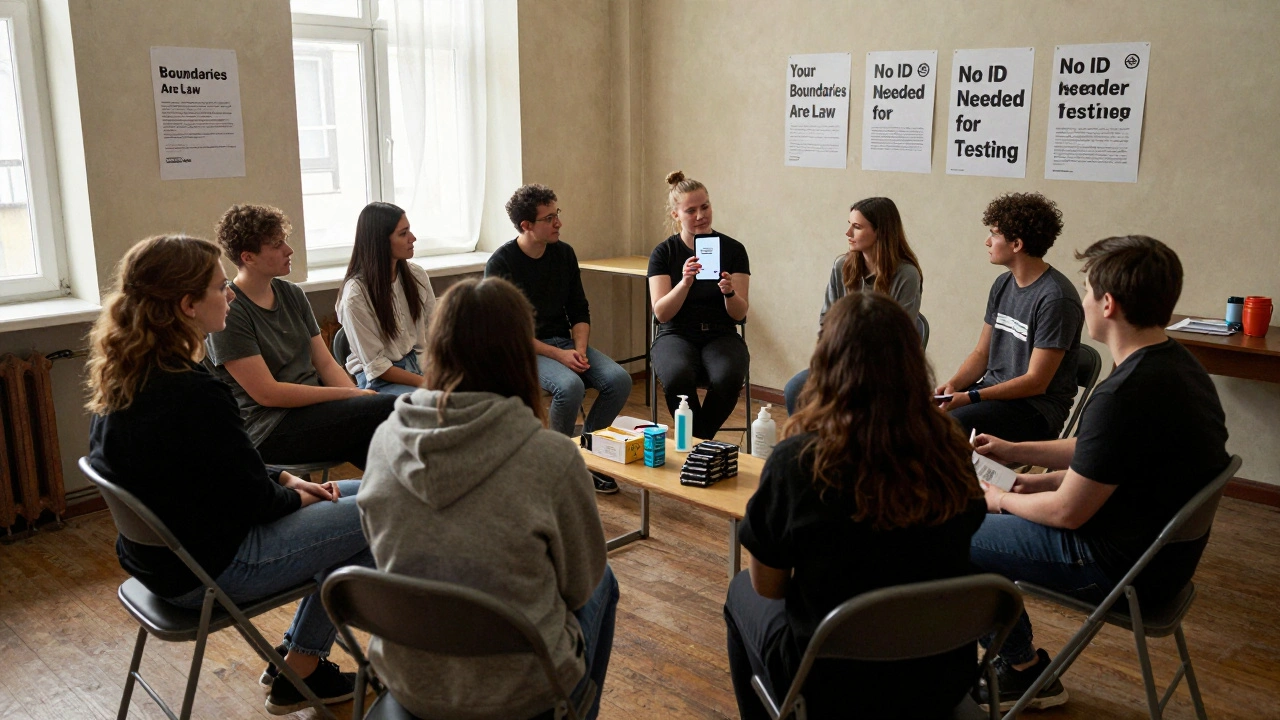
One of their biggest wins was convincing a Moscow clinic to offer confidential STI testing without requiring ID. Before, workers avoided testing because they feared being flagged by authorities. Now, over 800 workers have been tested through the program since 2023. The clinic reports a 40% drop in untreated syphilis cases among the group.
Advocates also run workshops on digital safety: how to hide location data, how to recognize scam clients, how to use encrypted messaging. They teach workers how to document abuse-screenshots, timestamps, voice recordings-so if something goes wrong, they have proof.

Why People Stay
Many assume adult work is a last resort. For some, it is. But for others, it’s the best option they’ve got. One man, Alexei, worked as a freelance escort for five years. He had a degree in engineering but couldn’t find full-time work after being outed as gay in his hometown. "In Moscow, I could earn in one night what I made in two weeks at a call center," he said. "I didn’t like it all the time. But I liked having control. No boss. No overtime. No lying about who I am."
For transgender workers, the situation is even harder. Many are turned away from traditional jobs due to discrimination. Adult work becomes one of the few places where they’re paid for who they are, not forced to hide. A 2025 survey by a local NGO found that 68% of transgender adult workers in Moscow said they’d quit if they had access to stable, non-discriminatory employment. But until that happens, they stay.
The Cost of Silence
When society refuses to talk about adult work honestly, everyone loses. Workers can’t access mental health support. Clients don’t learn about consent or boundaries. Law enforcement wastes resources on low-level arrests instead of targeting trafficking or violence.
There’s also a financial cost. Many workers pay high fees to platforms that claim to "protect" them-but offer no real legal backing. Some charge up to 30% of earnings for "premium verification." Others collect deposits for "safety training" that doesn’t exist. Scammers prey on desperation.
And when a worker gets arrested, the ripple effects are brutal. A single detention can mean losing a rental apartment, getting fired from a second job, or being cut off from family. No one helps them rebuild.
What Change Could Look Like
Decriminalization isn’t about legalizing brothels or turning Moscow into a tourist zone. It’s about removing criminal penalties for consensual adult work between adults. Portugal did it in 2001. New Zealand in 2003. Both saw drops in violence, improved health outcomes, and more trust between workers and police.
In Moscow, change would mean:
- Workers can report abuse without fear of arrest
- Platforms aren’t shut down for facilitating legal transactions
- Health services are accessible without identity checks
- Advertising isn’t treated as a crime
Some advocates are pushing for a pilot program in one district-where workers can register voluntarily, receive a safety card, and access legal protections. It’s not perfect. But it’s a start.
Listening to the Workers
Most people never ask: "What do you need?" They assume they know better. But the people doing the work know what’s safe, what’s risky, and what would make their lives better.
"We don’t need saving," said Lina, a worker and community organizer. "We need respect. We need the right to say no. We need to be seen as people who make choices, not problems to solve."
Adult work in Moscow isn’t going away. It’s been here for decades. The question isn’t whether it should exist. It’s whether society will stop punishing the people doing it-and start asking how to make it safer.
Is adult work legal in Moscow?
No, adult work is not legal in Moscow under Russian law. While exchanging sex for money isn’t explicitly criminalized, almost everything that supports it is: advertising, operating a space for work, soliciting in public, or even using online platforms to connect with clients. These activities are prosecuted under broad anti-prostitution laws, leaving workers vulnerable to arrest, fines, and social stigma.
How do adult workers in Moscow stay safe?
Most adult workers in Moscow use platforms like AdultWork Moscow to screen clients, set boundaries, and share reviews. They avoid public meetings, never share personal details like home addresses, and often meet in neutral locations like hotels with 24-hour security. Many use encrypted messaging apps, record interactions, and have trusted friends check in before and after appointments. Some also rely on peer networks for emergency support.
Are there support services for adult workers in Moscow?
Yes, but they’re limited. Groups like Moscow Sex Workers’ Solidarity and the Russian Sex Workers’ Rights Initiative offer free legal advice, confidential STI testing, safe housing referrals, and digital safety training. These organizations operate quietly and rely on donations. They don’t push workers to quit-they help them stay safe while working. Access is often through word-of-mouth or encrypted channels due to fear of exposure.
Why don’t more adult workers leave the industry?
Many stay because they have no better options. Discrimination in housing, employment, and healthcare makes it hard to transition out. Transgender workers, migrants, and those with criminal records face even higher barriers. For some, adult work offers flexibility, higher pay, and autonomy they can’t find elsewhere. Leaving isn’t just about wanting to-it’s about having somewhere else to go.
What’s the biggest myth about adult work in Moscow?
The biggest myth is that all adult workers are victims or forced into the industry. While trafficking does exist, most workers in Moscow are independent, make informed choices, and set their own rules. They’re not being held captive-they’re managing risk, building client relationships, and earning a living on their own terms. Treating them all as victims ignores their agency and makes real solutions harder to find.
Can clients be trusted in Moscow’s adult industry?
Some can, some can’t. Like any industry, there are good and bad people. Many workers screen clients carefully-checking profiles, asking for references, avoiding those who refuse to follow boundaries. Platforms with verified reviews help. But scams, harassment, and violence still happen. Workers often rely on community warnings and shared lists of dangerous individuals. Trust is earned slowly, not assumed.
What Comes Next
The path forward isn’t about banning or glorifying adult work. It’s about recognizing it as labor-and treating it like any other job that deserves dignity, safety, and rights. Until then, the voices of those doing the work will keep speaking, quietly, persistently, in the spaces where no one else is listening.