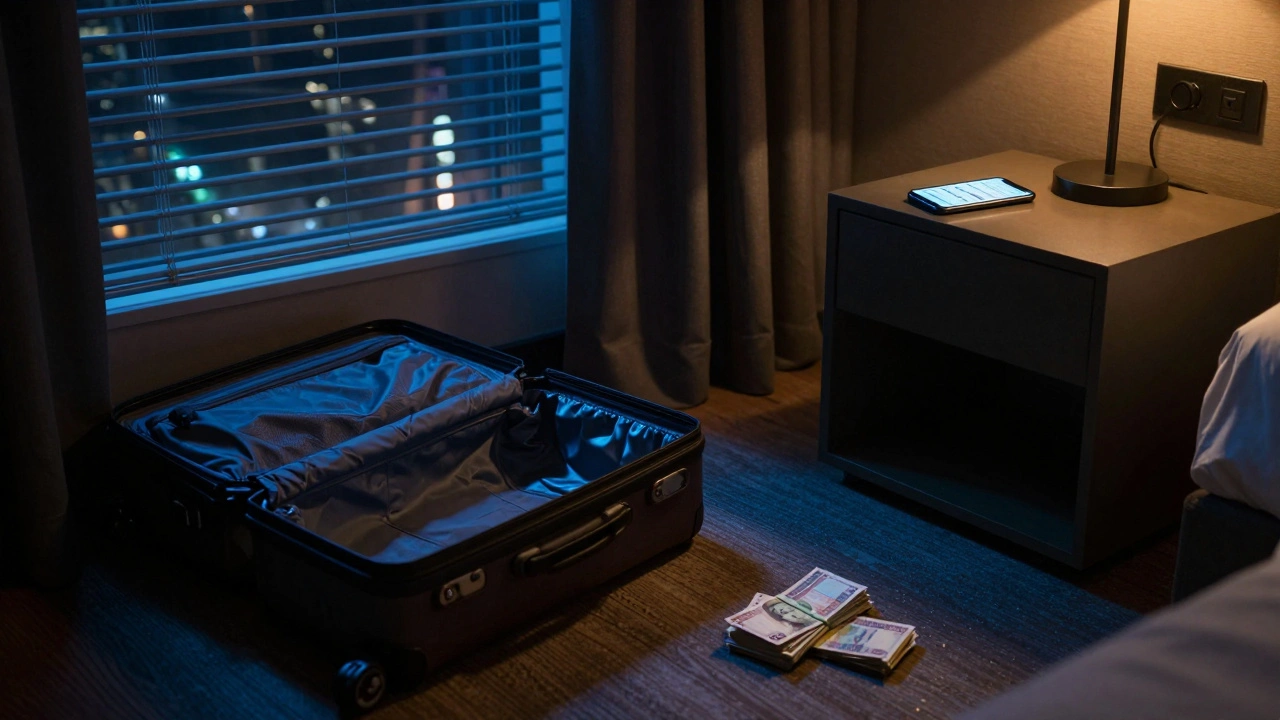
If you're doing adult work in Dubai, you need to understand one thing upfront: it's not legal. Not even close. The United Arab Emirates has strict laws against prostitution, sex work, and any form of commercial sexual activity. That includes everything from independent escorting to agency-based services. If you're caught, you could face deportation, fines, or jail time - no exceptions. But here's the reality: people still do it. And if you're one of them, you're probably wondering how to handle money, taxes, and banking without getting flagged.
There Is No Legal Income Tax for Adult Work in Dubai
Dubai doesn’t have personal income tax - for anyone. That includes expats, tourists, and locals. So technically, you don’t pay income tax on earnings from adult work. But that doesn’t mean you’re safe. The absence of tax doesn’t make your activity legal. The government doesn’t track or tax illegal income because they don’t recognize it as income at all. If you’re caught, the issue isn’t unpaid taxes - it’s violating Article 357 of the UAE Penal Code, which criminalizes prostitution and related activities.
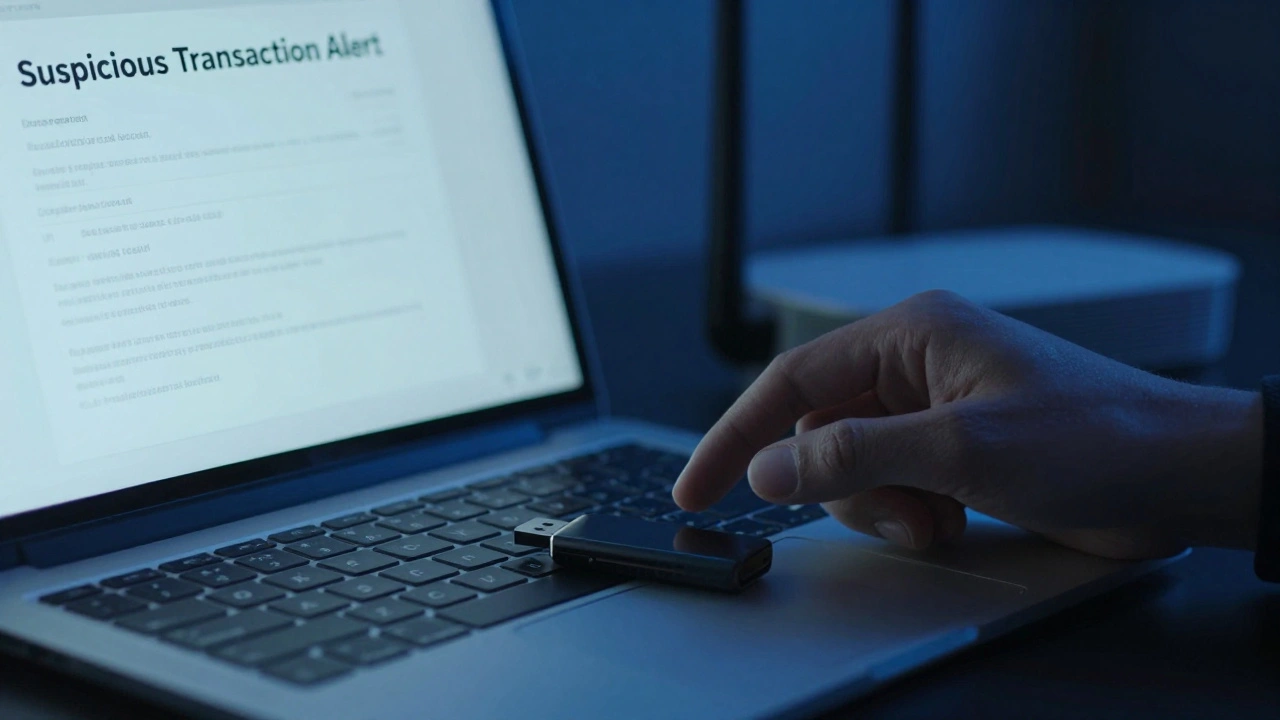
Some people think they can file taxes under a fake business name or use a freelance visa to make things look clean. That’s a dangerous assumption. UAE authorities don’t just check tax records - they check bank transactions, phone records, and client reports. If your bank account suddenly starts receiving regular payments from unknown individuals, especially in cash or through third-party apps, it triggers alerts. Banks in Dubai are required to report suspicious activity to the Financial Intelligence Unit. And they do.
Banking Is the Biggest Risk
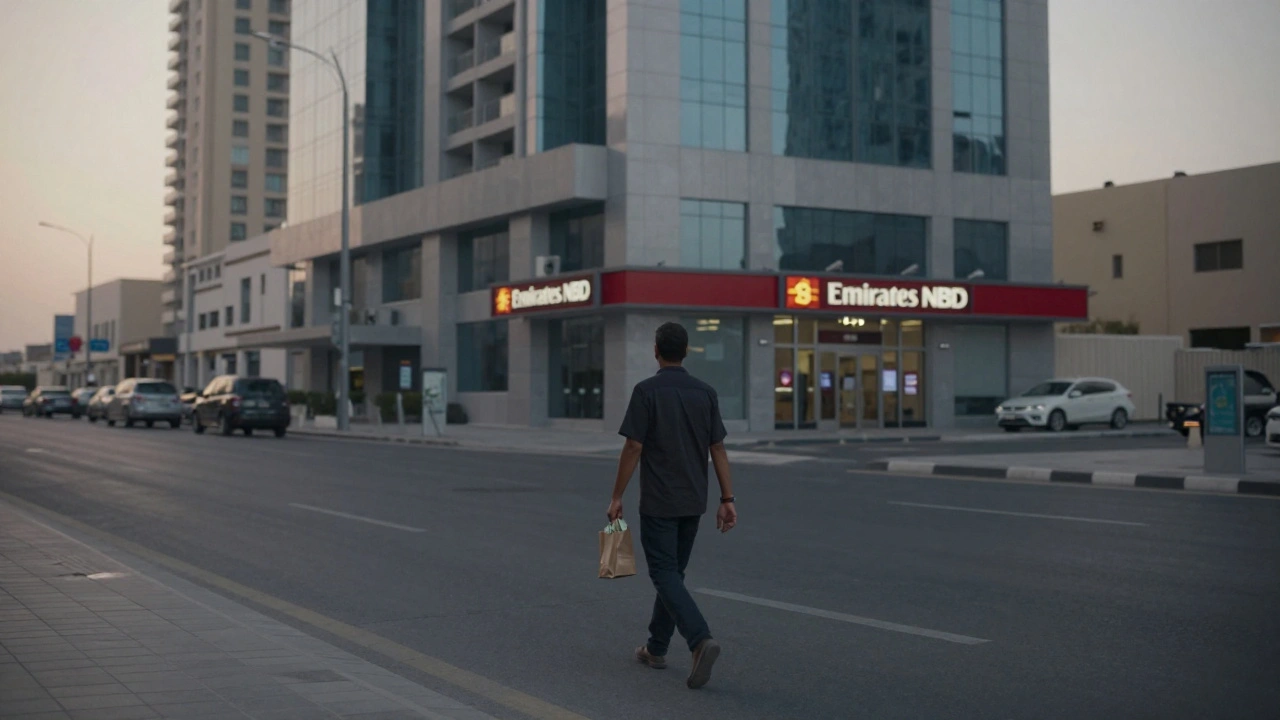
Opening a bank account in Dubai as an adult worker? Forget it. Major banks like Emirates NBD, Abu Dhabi Commercial Bank, and Dubai Islamic Bank require proof of legal employment. You’ll need a valid work visa, a salary certificate, and sometimes even an employment contract. No legitimate bank will open an account for someone who can’t prove they’re working in a legal job.
Some people try to use offshore accounts - like those in Cyprus, Georgia, or the Seychelles - to receive payments. But that’s not foolproof. UAE banks monitor international transfers. If you’re depositing money from a high-risk jurisdiction into your Dubai account, you’ll get flagged. Even if you’re using a friend’s or relative’s account, it’s risky. Banks use AI-driven monitoring systems that detect patterns: frequent small deposits, payments from multiple unrelated sources, cash withdrawals right after deposits. These are red flags.
Most people who work in adult services in Dubai rely on cash. It’s messy, unsafe, and hard to track, but it’s the only way to avoid leaving a digital trail. Some use crypto wallets - Bitcoin, USDT - to receive payments. But again, if you convert crypto to AED through a local exchange like BitOasis or Rain, you’ll need to verify your identity. And once you do, you’re connected to your real name. There’s no anonymous way to cash out crypto in the UAE.
How Do People Actually Get Paid?
Real talk: most adult workers in Dubai operate on a cash-only basis. Payments happen in person - at hotels, apartments, or private residences. Some use peer-to-peer apps like Cash App or PayPal, but those are blocked in the UAE unless you have a local bank account linked. Even then, transactions from adult-related profiles get frozen.
A few use third-party payment platforms disguised as "consulting" or "media services." For example, someone might list themselves as a "digital content creator" and charge for "private sessions" or "exclusive photos." But if the description matches escorting, and the payment pattern matches escorting, it’s still illegal. Authorities don’t care about your business label - they care about what you’re actually doing.
Some workers rely on trusted friends or local business owners to hold money for them. It’s a risky arrangement. If that person gets audited or arrested, your money disappears. And you have no legal recourse.
Expenses, Rent, and Daily Costs
Living in Dubai isn’t cheap. Rent for a studio apartment in Deira or Bur Dubai starts at 4,000 AED per month. Utilities, groceries, transport - all add up. If you’re working cash-only, you’re managing your entire budget without a paper trail. That means no receipts, no bank statements, no proof of income. If you ever need to prove you can afford rent - say, to sign a new lease - you’re stuck. Landlords in Dubai often ask for salary slips or bank statements. If you can’t provide them, you’ll need a local sponsor or guarantor. And most won’t take the risk.
Some workers rent under a fake name or use a friend’s name on the contract. But if the landlord finds out you’re working in adult services, they can evict you immediately. There’s no protection under UAE tenancy law for illegal activity. Your lease is void the moment they find out.
What Happens If You Get Caught?
If you’re arrested for prostitution or solicitation, the process is fast and harsh. You’ll be detained, interrogated, and likely deported. Your passport will be confiscated. You won’t get a trial. You’ll be given a choice: pay a fine (usually 5,000-10,000 AED) and leave, or face jail time (up to one year). Most choose to leave. There’s no appeal process. No legal aid. No public defender.
And it’s not just about arrest. Even if you’re not caught, your name can be flagged in government databases. If you ever try to return to the UAE - even as a tourist - immigration may deny you entry. Your biometrics are stored. Your past is recorded. There’s no expungement.
Is There Any Legal Way to Work in Adult Services in Dubai?
No. Not even close. Unlike some countries where sex work is decriminalized or regulated, Dubai has zero tolerance. Even online content creation - like OnlyFans or paid subscriptions - is risky. If you’re based in Dubai and promoting sexual content, you’re violating cybercrime laws. The UAE’s Cybercrime Law (Federal Decree-Law No. 34 of 2021) bans any content that "violates public morals." That includes nudity, sexual acts, or suggestive material.
Some people think they can work remotely from another country while living in Dubai. That’s not safe either. If your internet activity shows you’re accessing adult content platforms from a Dubai IP address, you can be traced. The UAE monitors internet traffic closely. Your device, your router, your location - all can be tracked.
What Should You Do Instead?
If you’re considering adult work in Dubai, ask yourself: is this worth losing your freedom, your future, and your ability to travel? The financial risks don’t just come from the law - they come from isolation, exploitation, and lack of support. There are no unions, no protections, no safety nets.
There are legal ways to earn money in Dubai. Freelancing in design, writing, or digital marketing is common. Teaching English or offering private tutoring works. Many expats run small online businesses from home. None of these require you to break the law. None of them risk your life or your future.
If you’re already in this line of work and want out, reach out to NGOs like the International Organization for Migration (IOM) or local charities that help vulnerable expats. They offer confidential support, legal advice, and sometimes even relocation help. You’re not alone. And you don’t have to stay trapped.
Final Reality Check
Dubai is not a place where you can hide illegal income. The banking system, the surveillance, the legal framework - they’re all designed to catch you. The absence of income tax doesn’t make this work safe. It just makes it invisible. And invisibility doesn’t protect you - it makes you more vulnerable.
If you’re thinking about moving to Dubai for adult work, don’t. If you’re already here and struggling, get help. There are people who care. There are ways out. Your life is worth more than a few thousand dirhams in cash.
Is it legal to work as an escort in Dubai?
No. Prostitution and commercial sex work are illegal in Dubai under UAE Penal Code Article 357. This includes escorting, online solicitation, and any form of paid sexual services. Violations can lead to arrest, deportation, fines, or jail time.
Do I have to pay income tax on earnings from adult work in Dubai?
Dubai doesn’t have personal income tax for anyone, so technically, no tax is due. But since adult work is illegal, the government doesn’t recognize it as income. Paying taxes isn’t the issue - getting caught is. Attempting to declare illegal income could lead to prosecution.
Can I open a bank account in Dubai if I work in adult services?
No. All major banks require proof of legal employment, a valid work visa, and salary documentation. Banks are legally required to report suspicious transactions. Any attempt to open an account using false information risks immediate account closure and reporting to authorities.
Can I use cryptocurrency to receive payments safely?
Receiving crypto is possible, but cashing out in Dubai is not. Local exchanges require full KYC verification, linking your identity to your wallet. Converting crypto to AED creates a paper trail. Using offshore exchanges doesn’t protect you - UAE banks monitor incoming international transfers from high-risk jurisdictions.
What happens if I’m caught working as an escort in Dubai?
You’ll be detained, interrogated, and likely deported. Your passport will be seized. You’ll be offered a choice: pay a fine (5,000-10,000 AED) and leave immediately, or face up to one year in jail. There is no appeal process. Your record will be flagged, making future entry to the UAE nearly impossible.
Are there any legal alternatives to adult work in Dubai?
Yes. Many expats work as freelancers in writing, design, digital marketing, tutoring, or remote tech jobs. These roles require no special permits beyond a valid residence visa. Online platforms like Upwork, Fiverr, and LinkedIn make it easy to find clients. These options are safe, legal, and sustainable.
If you’re considering adult work in Dubai, think again. The financial risks are real - but the personal costs are far higher. There’s no shortcut to safety here. Only one path leads to real security: leaving the shadows and choosing legality.