Being a professional escort isn’t just about appearance or charm-it’s a job that demands preparation, awareness, and practical tools to stay safe, efficient, and in control. Whether you’re new to the scene or looking to upgrade your setup, having the right supplies can make the difference between a smooth night and a dangerous situation. This isn’t about glamour. It’s about running a business that puts your safety and well-being first.
Personal Safety Gear Is Non-Negotiable
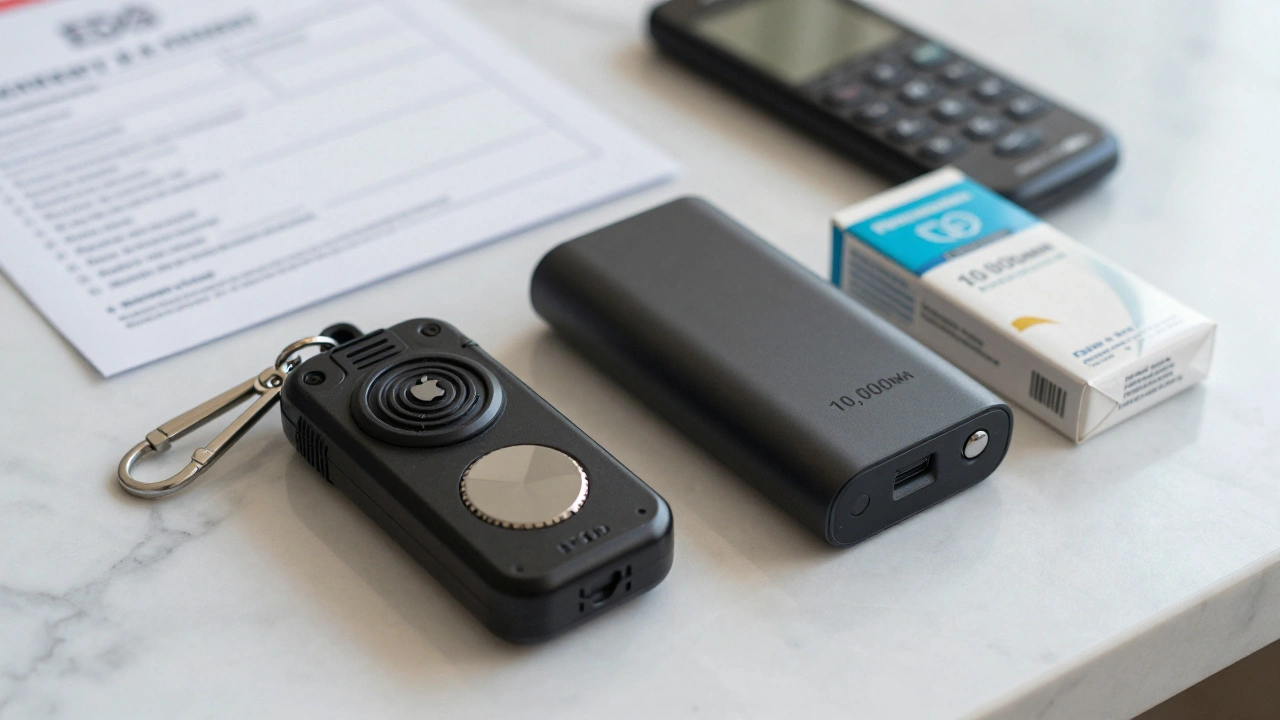
Every escort needs a reliable way to protect themselves. A personal alarm is the bare minimum. Look for one with a loud, piercing sound-120 decibels or more-and a keychain clip so it’s always within reach. Keep it in your pocket, bag, or attached to your belt. If something feels off, you don’t need to shout. Just press the button. It’s enough to draw attention and scare off someone who’s not there for the right reasons.
Many professionals also carry a discreet GPS tracker. Devices like Tile or Apple AirTag can be slipped into your purse, shoe, or even taped under your seat. If you don’t return within your scheduled window, a trusted friend or colleague can check your location. You don’t need to tell clients about it. You just need to know it’s there.
Never rely on your phone alone. Always have a backup power bank. A dead phone is a vulnerable phone. Keep a portable charger in your bag at all times. Use one with at least 10,000mAh capacity-it’ll recharge your phone twice and still have juice left over.
Communication Tools That Keep You in Control
Professional escorts don’t use personal numbers for work. Use a separate burner phone or a virtual number service like Google Voice or Hushed. This keeps your private life private and gives you a clean way to screen clients. Set up a dedicated email too-something like [email protected]. Avoid Gmail or Yahoo. They’re easy to trace and harder to keep anonymous.
Use encrypted messaging apps. Signal is the gold standard. It doesn’t store messages, doesn’t track metadata, and lets you set auto-delete timers. Never use WhatsApp or iMessage for work conversations. They’re not secure enough. Always confirm client details through text before meeting. Ask for full name, date of birth, and a recent photo. If they refuse, walk away.
Keep a printed list of emergency contacts in your bag. Include local police non-emergency numbers, a trusted friend, and your agency (if you have one). Write it in ink. Phones can die. Paper won’t.
Hygiene and Personal Care Essentials
Hygiene isn’t just about feeling clean-it’s about professionalism and legal protection. Always carry a small kit with condoms, dental dams, and water-based lubricant. Use only FDA-approved brands. Avoid anything with flavor or numbing agents-they’re often used to mask abuse. If a client refuses to use protection, end the appointment. No exceptions.
Bring hand sanitizer (at least 70% alcohol), disinfectant wipes, and a small bottle of antibacterial spray. Wipe down surfaces before and after. Use a separate towel for each client. Don’t reuse anything. Keep a small bag of fresh underwear and socks in your car or bag. Change before and after every job. It’s a simple habit that gives you psychological control and reduces risk.
Keep a small first aid kit too. Bandages, antiseptic cream, and painkillers can help if you get a minor cut or bruise. Don’t wait for an emergency to realize you’re unprepared.
Professional Appearance and Client Experience
Appearance matters, but not in the way you think. You don’t need designer clothes or expensive makeup. You need consistency and cleanliness. Keep a small grooming kit: mini toothbrush, toothpaste, deodorant, breath strips, and a travel-sized hairbrush. These let you freshen up between appointments without needing to go home.
Use a neutral scent. No heavy perfume or cologne. Clients should remember you for your presence, not your fragrance. A light, unscented body lotion is enough. Avoid anything that could trigger allergies.
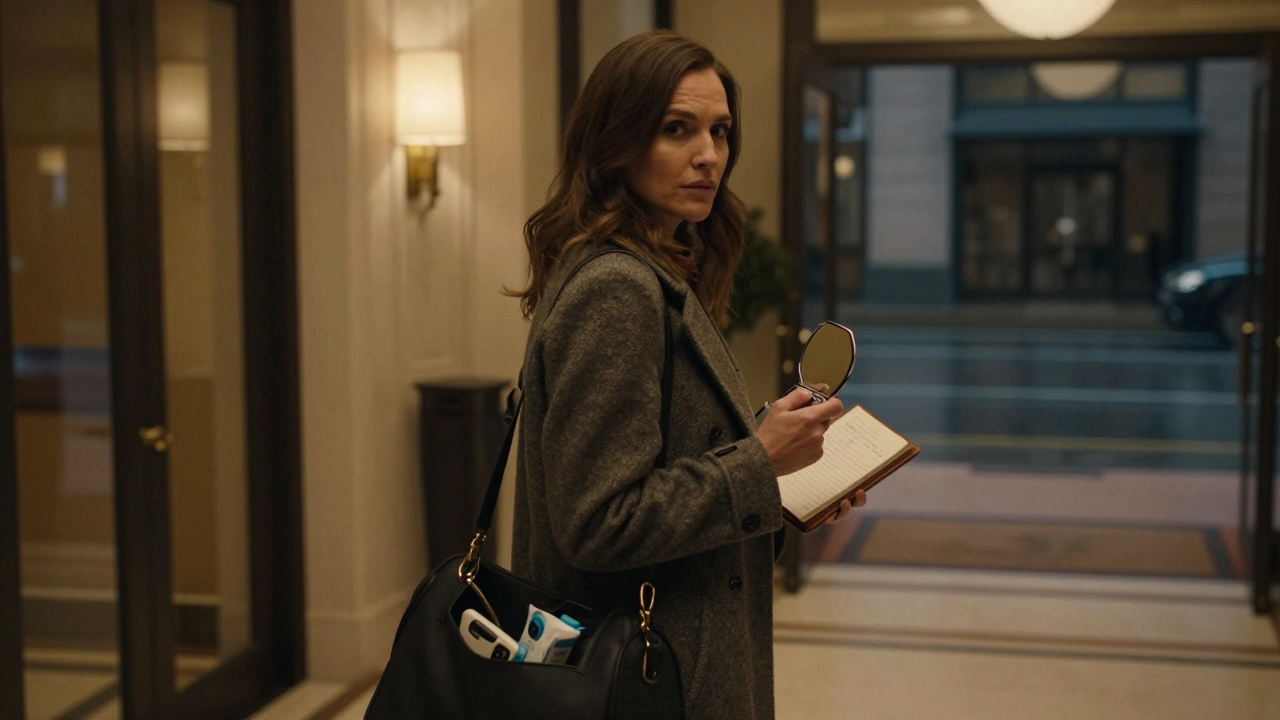
Bring a small mirror and a compact. Clients may ask to see you before agreeing to a meeting. Having a clear, reliable mirror helps you present yourself confidently. Keep your nails clean and trimmed. No chipped polish. It’s a small detail, but it signals attention to detail.
Transportation and Logistics
If you drive, keep your car in top condition. Check tire pressure, oil, and lights weekly. A breakdown in a quiet area is dangerous. Always keep a full tank of gas. Never let it drop below half. Keep jumper cables, a flashlight, and a tire repair kit in your trunk. These aren’t luxuries-they’re survival tools.
If you use ride-sharing or public transport, never let a client know your routine. Don’t take the same route twice. Vary your drop-off and pick-up points. Use apps like Citymapper or Google Maps to plan multiple routes ahead of time. Have a backup plan if your ride doesn’t show.
Always park in well-lit, busy areas. Avoid alleyways, underground lots, or isolated spots. If you’re meeting at a hotel, insist on the lobby or a public area first. Never go straight to the room. Use the lobby to confirm identity, check for cameras, and make sure the environment feels safe.
Documentation and Boundaries
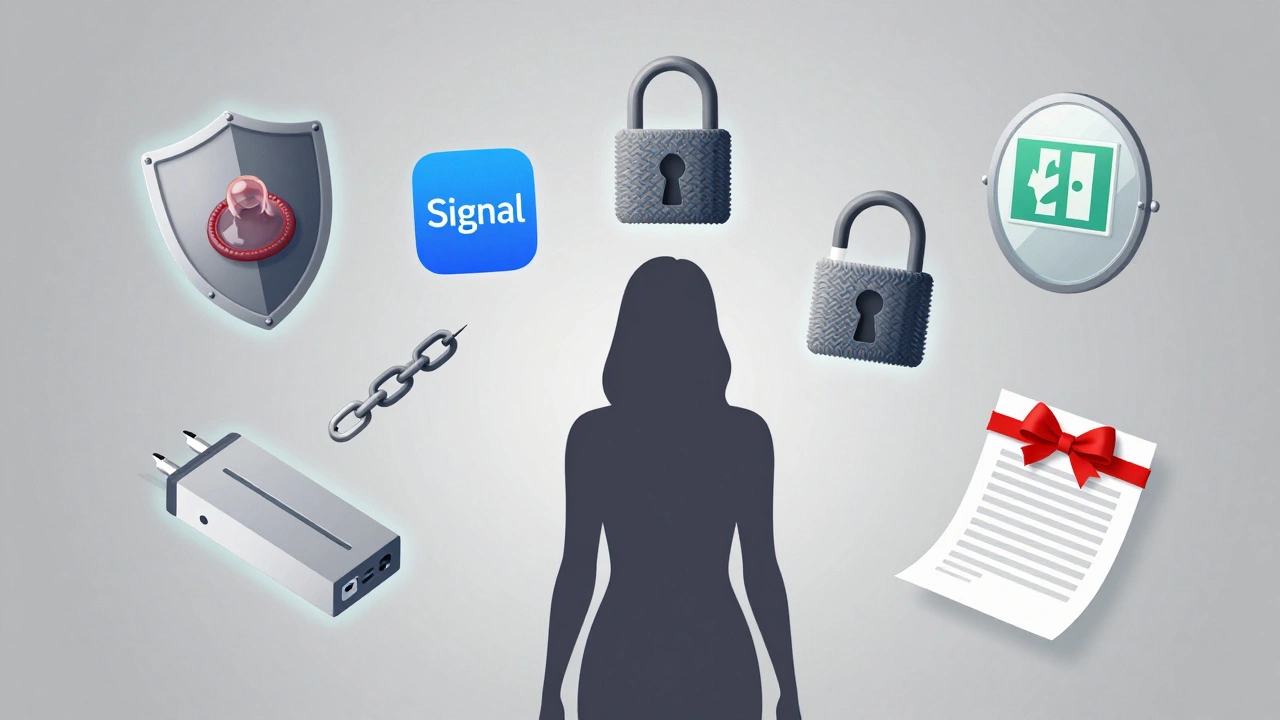
Keep a simple logbook. Write down the date, time, location, client name (or alias), and payment method. Don’t use your real name. Use a code like “C-03” or “R-12.” This helps you track patterns and spot repeat offenders. If something goes wrong, you’ll have a record.
Have a clear set of boundaries written down. Know what you will and won’t do. Print it out and keep it in your bag. If a client pushes, you can hand them the paper. No arguing. No explaining. Just say, “This is what I offer.” It removes emotion and puts the power back in your hands.
Use a standard contract template. Even if it’s just one page. Include payment terms, cancellation policy, and services offered. Get it signed before any service begins. It’s not about legality-it’s about clarity. It tells clients you’re serious. And it tells you the same.
What Not to Bring
Don’t carry cash in large amounts. Use bank transfers or mobile payments. If you must take cash, only accept small bills. Never carry more than £200. Keep it in a hidden pocket or money belt. Don’t flash it.
Avoid bringing anything with your name on it-luggage tags, water bottles, chargers. Even your phone case should be generic. No photos, no initials, no inside jokes. You’re not there to be remembered as a person. You’re there to do a job safely and professionally.
Never bring your personal laptop, tablet, or diary. These are easy targets for theft or blackmail. Leave them at home. If you need to check your schedule, use a simple paper planner.
Final Checklist: Your Daily Escort Kit
- Personal alarm (120+ dB)
- GPS tracker (Tile or AirTag)
- Portable power bank (10,000mAh)
- Burner phone with virtual number
- Encrypted messaging app (Signal)
- Condoms and dental dams (FDA-approved)
- Water-based lubricant
- Hand sanitizer and disinfectant wipes
- Extra underwear and socks
- Mini grooming kit (toothbrush, deodorant, breath strips)
- Small first aid kit
- Printed emergency contacts
- Written boundaries and service list
- Payment logbook (coded entries)
- Travel-sized mirror and compact
- Car emergency kit (jumper cables, flashlight, tire repair)
This isn’t about being fancy. It’s about being ready. Every item here exists for one reason: to keep you safe, in control, and professional. If you skip one, you’re increasing your risk. Don’t take chances. Your safety isn’t optional. It’s the foundation of your business.
Do I need to carry condoms even if the client says they have them?
Yes. Always bring your own. Even if a client claims to have protection, never rely on it. Their supply might be expired, damaged, or not the right type. Use your own, high-quality condoms every time. It’s your body, your rule.
Can I use my personal phone for escort work?
Never. Your personal phone links your real identity to your work. Use a separate burner phone or virtual number service. This protects your privacy, your family, and your future. If your phone gets lost or stolen, your work life stays separate from your personal one.
What should I do if a client becomes aggressive?
Leave immediately. Don’t argue. Don’t try to reason. Activate your personal alarm if you have one. Call your emergency contact as you walk out. If you’re in a hotel, go to the front desk and ask for help. If you’re alone, get to a public place and call the police. Your safety is more important than payment.
Is it safe to meet clients at my home?
No. Meeting clients at your home is one of the riskiest choices you can make. Even if you think you know them, you can’t predict behavior. Always meet in public places first, or in a hotel room you’ve booked under a fake name. Never let a client know where you live.
How do I know if a client is legitimate?
Ask for their full name, date of birth, and a recent photo. Verify their profile on adultwork or similar platforms. Check if they’ve been reviewed by others. If they refuse to provide any info, or if their profile looks fake, walk away. Legitimate clients have nothing to hide.
Should I tell someone where I’m going each night?
Always. Give a trusted friend or colleague your appointment time, location, and client code. Set a check-in time-like 15 minutes after you’re done. If you don’t check in, they call the police. This simple step has saved lives. Don’t skip it.
If you’re serious about this work, treat it like any other profession. Preparation isn’t optional. It’s the difference between working safely and risking everything. Keep your gear ready. Keep your boundaries firm. And never, ever underestimate the power of a clear plan.