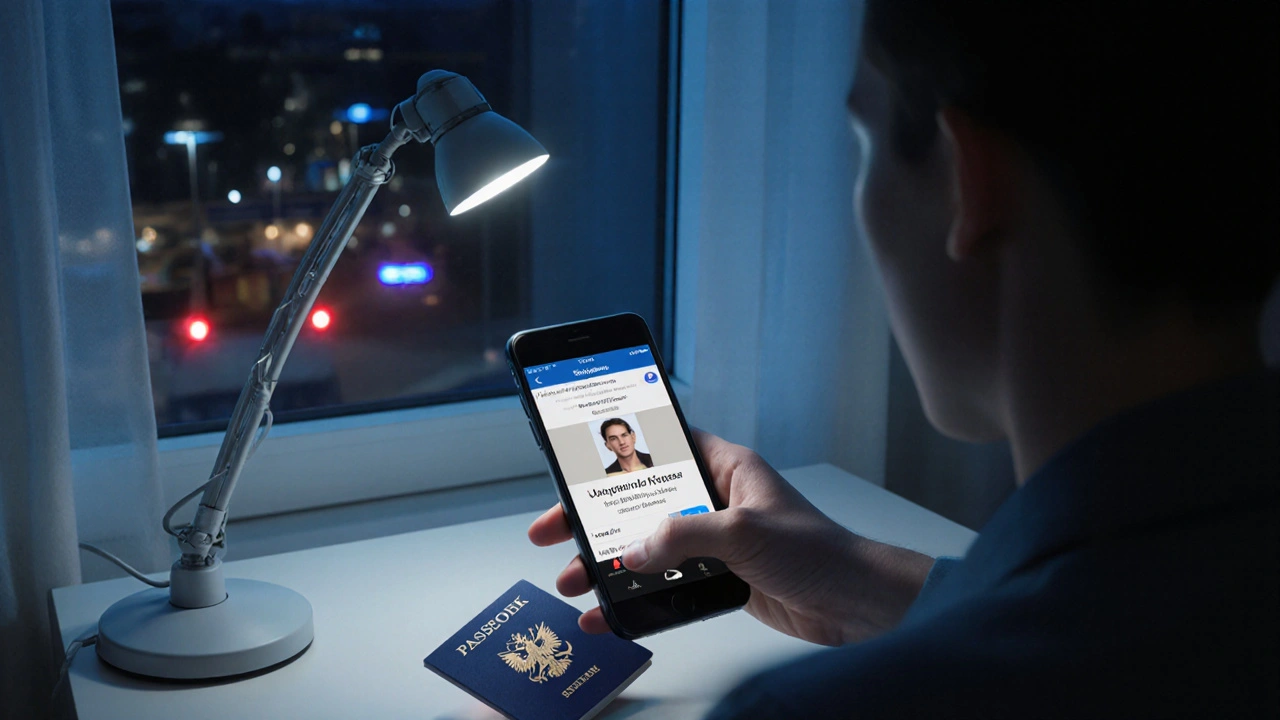
Moscow adult services 2025: Safety, legality, and real strategies for workers
When people talk about Moscow adult services, the informal economy of companionship and personal services operating in Moscow under legal gray areas. Also known as Moscow escorts, it includes everything from independent workers to small agencies operating without formal registration. This isn’t a fantasy world—it’s real people managing risk, income, and survival in one of the world’s most complex cities for adult work.
Under Russian law, sex work itself isn’t illegal, but almost everything that supports it is: advertising, operating from a fixed location, or working with a third party can land you in trouble. That’s why most workers rely on private messaging, encrypted apps, and word-of-mouth. adult work safety, the set of practical actions taken by workers to avoid violence, scams, and police raids isn’t optional—it’s the core of staying alive. Workers use burner phones, crypto payments, and pre-screening checklists. They share client names in closed groups. They meet in public places first. These aren’t tips from a blog—they’re survival tactics passed down between workers.
Legal risks are real. In 2024, Moscow police raided 127 apartments linked to adult services. Most charges were for "organizing prostitution"—not the work itself. That’s why legal adult work, the practice of structuring services to minimize exposure to criminal charges while maintaining income has become a skill. Workers avoid written contracts. They don’t use their real names in ads. They keep income low enough to avoid tax scrutiny. Some even register as freelance photographers or consultants to explain their earnings. It’s not about being perfect—it’s about being smart enough to stay under the radar.
Money matters. Earnings vary wildly—from 15,000 rubles a night for new workers to over 100,000 for those with strong reputations and repeat clients. But after rent, safety tools, apps, and legal buffers, net income often lands between 250,000 and 600,000 rubles a month. That’s more than most office jobs, but it comes with constant stress. The best workers don’t just chase clients—they build systems: booking calendars, emergency contacts, mental health breaks. They know burnout kills faster than the law.
Support is scarce, but it’s growing. A few NGOs in Moscow quietly offer legal aid, safe housing referrals, and trauma counseling. Workers connect through Telegram channels with names like "Moscow Safe Network" or "No More Shaking." These aren’t public groups. They’re tight-knit, verified circles where someone checks in every morning. If you’re working in Moscow in 2025, you don’t need to do it alone—but you do need to know where to look.
What follows isn’t a list of ads or promotions. It’s a collection of real, tested advice from people who’ve been there: how to write a CV that doesn’t get you arrested, how to spot a police sting, how to handle a client who won’t leave, how to file a report without getting punished. These aren’t theoretical. They’re the kind of tips you learn the hard way—and then share with someone else before they make the same mistake.