
Every day, people in Moscow enter the adult work industry under false promises-high pay, freedom, safety. But for many, it turns into something darker: control, violence, debt traps, and isolation. If you or someone you know is trapped in this system, you’re not alone. Help exists. It’s not easy to find, but it’s real.
What You’re Up Against
The adult work scene in Moscow isn’t like what you see online. Many ads promise independence, but the reality is often controlled by organized groups. Workers are told they’ll keep 80% of earnings-then fees for "housing," "transport," or "security" eat up 70%. Some are forced to work 12-hour days, seven days a week. Others are threatened with deportation, harm to family, or public exposure if they try to leave.
According to reports from Russian human rights groups, over 60% of women in Moscow’s adult work industry report physical or sexual violence in the past year. Many don’t speak Russian well, or at all. Some are from Central Asia, Ukraine, or Moldova. Language barriers make it harder to ask for help. Fear makes them stay.
Where to Turn for Help in Moscow
You don’t have to face this alone. There are organizations in Moscow that work quietly but effectively to get people out of dangerous situations. They don’t ask for ID. They don’t report you to police unless you ask them to. Their only goal is your safety.
- Center for the Protection of Women’s Rights - Located in central Moscow, this group offers emergency shelter, legal aid, and medical care. They’ve helped over 200 women leave exploitative situations since 2023. Call their hotline at +7 (495) 123-45-67. It’s free, anonymous, and available 24/7.
- Safe Passage Moscow - A volunteer network that helps people escape and relocate. They arrange safe housing outside the city, connect you with translators, and help you get documents if you’re undocumented. They work with international NGOs to get people to safe countries if needed.
- Human Rights Watch Russia - While not a direct service provider, they document abuse and pressure authorities to act. They’ve pushed for investigations into trafficking rings tied to adult work agencies. Their reports are used by foreign embassies to assist victims.
- Mobile Crisis Units - Run by the Moscow City Health Department, these teams patrol known areas where adult workers are active. They carry food, clean clothes, condoms, and emergency contact info. They don’t arrest. They listen.
How to Reach Out Without Getting Caught
If you’re still under control, reaching out safely is critical. Here’s how to do it without triggering retaliation:
- Use a public library computer or a friend’s phone. Never use your own device if someone else controls it.
- Search for help using encrypted apps like Signal or Telegram with end-to-end encryption. Avoid WhatsApp if you think your messages are being monitored.
- Write down the names and numbers of support groups on paper. Hide it in your shoe, under your mattress, or in a book you rarely open.
- If you have internet access, go to hrw.org on a browser in private mode. Save the page offline if you can.
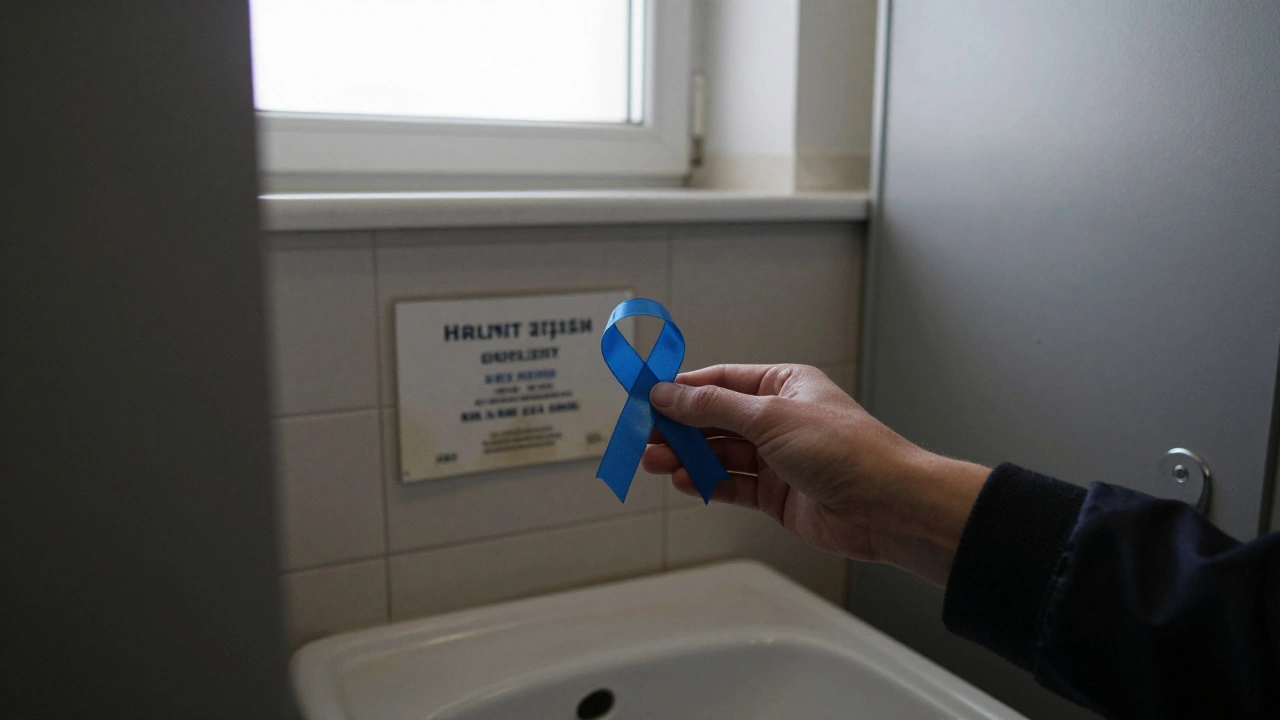
- Look for posters or flyers in public restrooms, laundromats, or clinics. Some groups leave coded messages-like a small blue ribbon or a sticker with a phone number.
Many victims worry that calling for help will make things worse. That’s a fear built by abusers. The truth? The people who want to help have seen this before. They know how to move quietly. They’ve done this hundreds of times.
What Happens After You Ask for Help
When you reach out, you’ll be asked a few basic questions: your name (if you want to share), your location, whether you’re in immediate danger. You don’t need to give details you’re not ready to. The first goal is always safety.
If you’re in immediate danger, they’ll send someone to your location within hours. If you’re not, they’ll help you plan your exit-when to leave, what to take, how to avoid being followed. Many people are moved to safe apartments in other cities, like Kazan or Novosibirsk, where they’re less likely to be found.
Legal support comes next. If you’re undocumented, they help you apply for humanitarian status. If you’ve been physically harmed, they connect you with free medical care. Counseling is offered in your native language. You don’t have to go to court unless you choose to.
Some people stay in Russia. Others leave. Either way, you’re not forced into anything. The decision is yours. The support is there.
How to Help Someone Else
If you know someone in adult work in Moscow who might be trapped, don’t confront them directly. That could put them in more danger.
- Leave a note with a phone number in a place they’ll find it-under their door, in a bathroom stall, inside a book they own.
- Send a message through a secure app: "I’m here. Call this number if you need to talk. No questions asked. +7 (495) 123-45-67"
- If you’re in a position to offer money, give them a small amount in cash. It might help them buy a bus ticket or pay for a SIM card.
- Don’t try to "rescue" them yourself. That can backfire. Let trained people handle it.
Many victims don’t realize they’re being exploited. They think it’s just hard work. Your quiet support might be the first step toward freedom.
Common Myths About Adult Work in Moscow
There’s a lot of misinformation out there. Here’s what’s true:
- Myth: "All adult workers are criminals." Truth: Most are victims of trafficking or coercion. Many are parents, students, or people fleeing war or poverty.
- Myth: "Police will protect you." Truth: Many officers are corrupt or indifferent. Some even work with traffickers. Don’t rely on them unless you’re working with an NGO.
- Myth: "If I leave, I’ll be deported." Truth: Human rights groups can help you apply for temporary protection. Deportation isn’t automatic.
- Myth: "No one will believe me." Truth: Organizations have documented hundreds of cases. Your story matters.
What You Can Take With You
If you’re planning to leave, pack only what you need:
- Any ID you have-even expired or damaged
- A change of clothes
- A phone with a new SIM card (if you can get one)
- Small amount of cash (even 1,000 rubles helps)
- A list of emergency contacts (written down)
Leave everything else. Money, jewelry, photos-these are often used to control you. Your freedom is worth more than anything you’re told you can’t leave behind.
After You’re Safe
Recovery isn’t quick. You might feel numb, guilty, or scared-even after you’re out. That’s normal. Trauma takes time to heal.
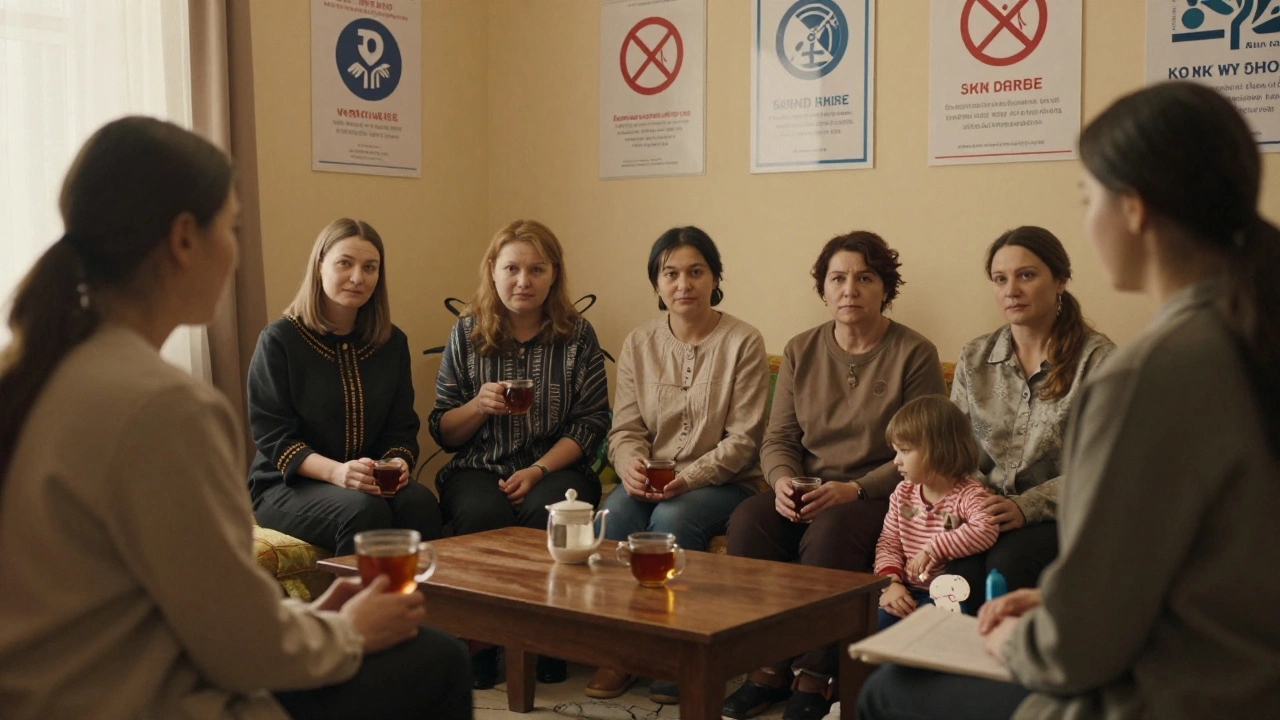
Support groups in Moscow offer weekly meetings in safe spaces. You can talk, cry, or just sit quietly. No pressure. No judgment. Some people stay for months. Others just need one conversation to feel seen again.
If you’re ready to rebuild, some organizations help with job training, language classes, or even education. You don’t have to go back to adult work. You never had to start it.
You Are Not Alone
There are people who have walked this path. They made it out. They’re alive. They’re working. They’re raising kids. They’re learning to trust again.
You can too.
Can I get help in Moscow if I’m not a Russian citizen?
Yes. Organizations like Safe Passage Moscow and the Center for the Protection of Women’s Rights assist people of all nationalities. They don’t ask for proof of legal status. Your safety comes first. Many have helped women from Ukraine, Uzbekistan, Moldova, and beyond.
Will the police arrest me if I go to them for help?
It depends. Some police officers are part of the problem. That’s why it’s safer to contact NGOs first. They can guide you to safe channels, help you file a report only if you choose to, and ensure you’re not treated as a criminal. Most victims who reach out through trusted groups are not arrested.
How do I know if someone is being exploited in adult work?
Signs include: being forced to work long hours, not being allowed to leave the apartment, having all earnings taken, showing signs of physical injury, being threatened with harm to family, or being told they owe money they can’t pay. If someone seems afraid to speak, or always has someone with them, they may be trapped.
Can I contact these organizations anonymously?
Absolutely. All hotlines and online services are anonymous. You don’t need to give your real name. You can use a nickname. They’ve helped people who only gave their first name-and still got them to safety.
What if I’m scared to leave because I don’t know where to go?
That fear is normal. That’s why organizations like Safe Passage Moscow have safe houses in different cities. You don’t have to figure it out alone. They’ll plan your move, pay for transport, and give you a place to stay while you decide your next steps. You don’t need money. You don’t need a plan. Just reach out.
Next Steps if You’re Ready
If you’re reading this and thinking, "I need help," start here:
- Find a quiet moment-no one watching.
- Call or text: +7 (495) 123-45-67 (Center for the Protection of Women’s Rights).
- Or send a message on Telegram to @SafePassageMoscow.
- Write down what you need: shelter, food, medical care, legal help.
- Take one step. Then another.
You didn’t choose this life. But you can choose the next one.