Working in adult services in Moscow isn’t just about meeting clients-it’s about surviving in a city where legal gray zones, social stigma, and systemic discrimination can turn a simple job into a daily risk. For LGBTQ+ workers, that risk multiplies. Trans women, non-binary performers, gay male escorts, and queer sex workers face not only the same dangers as their cisgender, heterosexual peers, but also targeted harassment, police profiling, and exclusion from even the most basic support networks. Yet, there’s a quiet movement growing: LGBTQ+ workers and allies are building safer, more inclusive spaces-not by waiting for laws to change, but by creating their own rules.
What Being LGBTQ+ Friendly Actually Means in Moscow’s Adult Industry
Being LGBTQ+ friendly doesn’t mean putting a rainbow flag on your profile. In Moscow, it means knowing the difference between tolerance and safety. It means understanding that a trans woman walking into a client’s apartment might be met with violence if her ID doesn’t match her appearance. It means recognizing that a gay escort might be asked to perform acts he’s uncomfortable with because the client assumes his sexuality gives them permission. It means knowing that if you report harassment, the police may side with the client-not you.
Real inclusivity starts with three non-negotiables: respect for identity, clear boundaries, and community accountability. This isn’t about political correctness. It’s about survival.
How to Verify Client Intent Before a Meeting
One of the biggest dangers for LGBTQ+ workers in Moscow is the predatory client who sees queerness as a loophole. They might say, “I don’t care if you’re trans-I just want to see you naked.” That’s not acceptance. That’s objectification with a side of entitlement.
Before agreeing to a meeting, ask direct questions:
- “What are you hoping to experience tonight?”
- “Do you know what pronouns I use?”
- “Have you worked with LGBTQ+ workers before? What was your experience?”
Watch for red flags: vague answers, pressure to skip screening, or comments about “turning you straight” or “making you feel like a real woman/man.” These aren’t quirks-they’re warning signs. Trust your gut. If something feels off, walk away. No client is worth your safety.
Creating a Safe Profile That Protects Your Identity
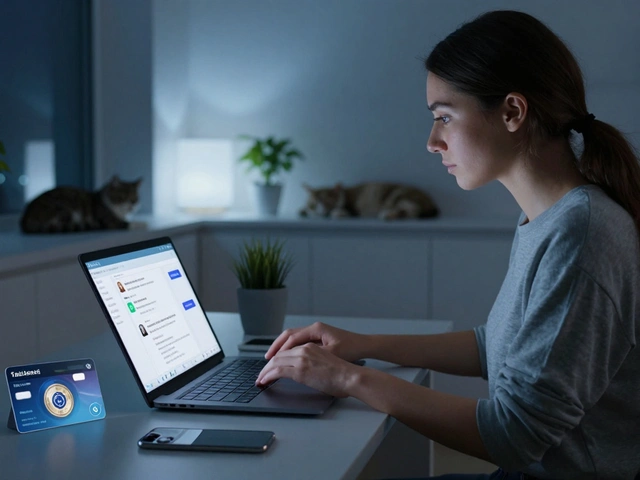
Your profile on AdultWork or other platforms is your first line of defense. In Moscow, where facial recognition and doxxing are real threats, your profile should reveal as little as possible while still attracting the right clients.
Here’s what works:
- Use a pseudonym-never your legal name.
- Don’t show your face in full. Use lighting, angles, or partial shots.
- Specify your pronouns in your bio: “She/they. No exceptions.”
- State boundaries clearly: “No fetishization of gender identity. No transphobic language.”
- Link only to verified, encrypted communication channels (Signal, Telegram with secret chats).
Some workers add a small badge: “LGBTQ+ owned and operated.” It’s not decorative-it’s a filter. It tells clients who respect you to step forward, and those who don’t to move on.

Building a Peer Support Network
Isolation is the enemy of safety. In Moscow, LGBTQ+ adult workers often work alone, with no one to check in on them. That’s why peer networks are critical.
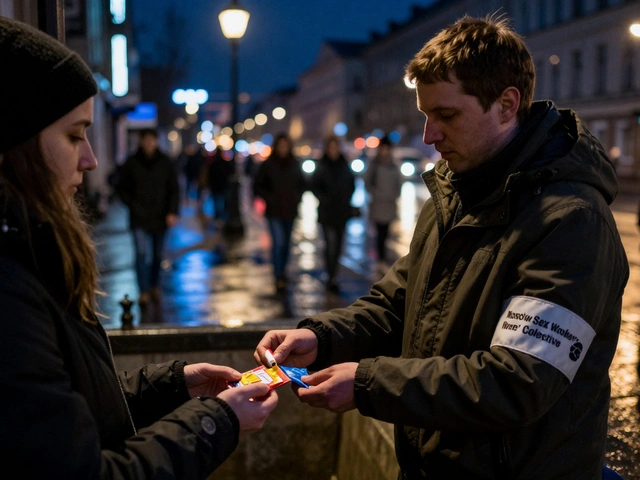
A few workers have started informal WhatsApp groups-private, encrypted, and invite-only. These aren’t chat rooms for gossip. They’re emergency systems. If a client cancels last minute and you feel uneasy, you message the group: “He’s acting weird. Can someone call me after?” If someone doesn’t return from a meeting, the group mobilizes. Someone calls the police. Someone texts the client. Someone stays on the line until they’re safe.
These networks don’t need to be big. Five trusted people who know your routines, your safe words, and your backup plan can save your life.
Dealing With Police and Legal Risks
Russia has no legal protection for LGBTQ+ people in adult work. In fact, the 2013 “gay propaganda” law and its 2022 expansion make it illegal to even speak publicly about queer identity in a positive light. Police don’t protect LGBTQ+ sex workers-they exploit them.
Here’s how to reduce your exposure:
- Never carry ID that doesn’t match your presentation. Keep your legal documents hidden.
- Always meet in public places first-even if it’s just for coffee. Use a café with cameras and staff.
- Record the client’s license plate, phone number, and booking reference. Save it in a secure cloud backup.
- Have a code word to text a friend if you’re in danger. “I’m running late” means “I need help now.”
- Know your rights: You don’t have to open your door. You don’t have to answer questions. You don’t have to show ID unless they’re a judge with a warrant.
There are no LGBTQ+ advocacy groups in Moscow that openly support sex workers. But underground collectives exist. They offer legal advice over encrypted channels, help with safe housing, and connect workers with medical care. Finding them takes time. But once you’re in, you’re never alone again.
How Clients Can Be Allies
This isn’t just a worker’s issue. Clients hold power. And with that power comes responsibility.
If you’re a client reading this, here’s how to be an ally:
- Use the pronouns the worker states. Don’t guess. Don’t assume.
- Respect boundaries. If they say no to a role, don’t push.
- Don’t fetishize. “I love trans women because they’re exotic” is not a compliment-it’s dehumanizing.
- Tip fairly. LGBTQ+ workers often face higher overhead costs: hormone treatments, binders, voice coaching, legal fees. Don’t lowball because you think they “owe you” for being queer.
- Report bad clients. If someone threatens, harasses, or assaults a worker, tell the group. Don’t stay silent.
Good clients don’t just pay for service-they help create a safer industry.

Where to Find LGBTQ+ Friendly Workers in Moscow
There’s no official directory. But if you’re looking for inclusive services, here’s how to find them:
- Search profiles with clear statements: “LGBTQ+ worker,” “All genders welcome,” “No transphobia.”
- Look for profiles with photos that match their stated identity. Avoid those that use stock images or heavily edited faces.
- Check reviews from other LGBTQ+ clients. Look for phrases like “treated me like a human” or “respected my boundaries.”
- Ask in encrypted forums. Some workers post in Russian-language queer communities on Telegram.
Don’t rely on platforms to vet people. They won’t. Your safety is your responsibility.
What’s Changing-And What’s Not
There’s no legal shift coming. Russia’s government shows no sign of protecting LGBTQ+ sex workers. But underground change is happening. Workers are sharing templates for safe contracts. They’re teaching each other how to spot predators. They’re creating digital safety toolkits with emergency contacts, encrypted backups, and legal scripts.
One trans worker in Moscow started a free PDF guide called “How to Stay Alive in Moscow’s Adult Scene.” It’s shared only through private links. Over 1,200 workers have downloaded it in the last year. That’s not a movement. That’s a lifeline.
Inclusivity isn’t a slogan here. It’s a strategy. And it’s working.
Final Thoughts: Safety Is a Practice, Not a Promise
Being LGBTQ+ friendly in Moscow’s adult industry isn’t about being nice. It’s about being smart. It’s about building systems that protect people when the system around them fails. It’s about choosing community over silence. It’s about saying, “I see you. I respect you. And I won’t let you disappear.”
If you’re a worker: Know your limits. Trust your instincts. Build your network. Document everything.
If you’re a client: Respect boundaries. Educate yourself. Don’t be part of the problem.
This isn’t a perfect world. But in the cracks of this broken system, people are still choosing to care. And that’s enough to keep going.
Are LGBTQ+ workers safe in Moscow’s adult industry?
No system in Moscow offers safety for LGBTQ+ workers. Police don’t protect them, and the law doesn’t recognize their identities. But many workers survive by building private networks, using encrypted communication, verifying clients strictly, and avoiding high-risk situations. Safety comes from preparation, not permission.
Can I trust platforms like AdultWork to protect LGBTQ+ workers?
No. Platforms like AdultWork don’t verify identities, don’t moderate for transphobia or homophobia, and don’t report abuse to authorities. They’re tools-not safeguards. Your safety depends entirely on your own screening, boundaries, and support network.
What should I do if a client is harassing me because I’m LGBTQ+?
Block and report them immediately. If you’re part of a peer group, alert them. Save screenshots, dates, and messages. Never engage further. In Moscow, reporting to police is rarely effective and can put you at greater risk. Your priority is your safety, not justice.
How can I find other LGBTQ+ workers in Moscow?
Don’t search publicly. Use encrypted apps like Telegram or Signal. Look for posts in Russian queer communities that mention adult work. Some workers share contact info through trusted referrals only. Start by asking in private groups-never on open forums.
Is it safe to use my real name or photo on my profile?
Never. In Moscow, using your real name or clear photo can lead to doxxing, family rejection, job loss, or violence. Even if you’re not out publicly, your profile could be traced. Always use a pseudonym, avoid facial clarity, and never link to personal social media.