Moscow Escorts: Safety, Earnings, and Real Stories from the Industry
When you think of Moscow escorts, independent professionals offering companionship services in Russia’s capital, often under complex legal and social conditions. Also known as adult work Moscow, it’s not just about service—it’s about survival, strategy, and sometimes, silent resilience. Unlike in places where sex work is decriminalized, Moscow escorts operate in a gray zone where police raids, online censorship, and public judgment are daily risks. Yet, thousands still choose this path—not out of desperation alone, but because it offers flexibility, high pay, and control over their time that few other jobs do.
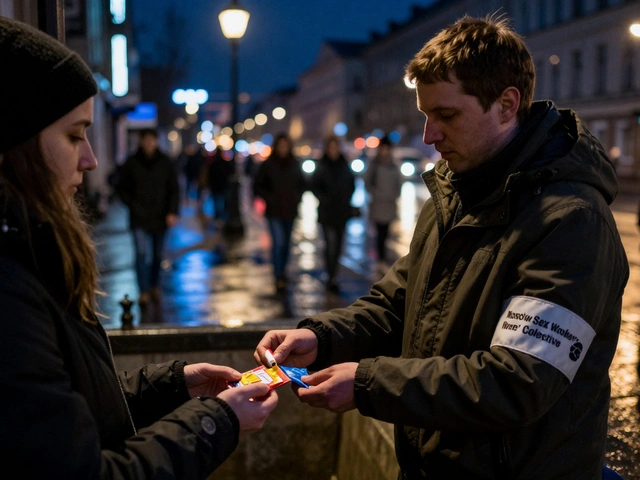
The real story behind Moscow escort safety, the set of practices and tools used to minimize danger while working independently in high-risk urban environments isn’t about luck. It’s about routines: using encrypted apps to screen clients, sharing location with trusted contacts before meetings, and avoiding cash in favor of crypto payments. Many rely on simple gadgets—panic buttons, fake call apps, GPS trackers—things you can buy online but rarely hear discussed openly. And it’s not just personal safety. adult work Moscow earnings, the net income after taxes, platform fees, and living costs for independent workers in Moscow vary wildly. Some make $2,000 a week; others struggle to cover rent. The difference? Organization. Those who track income, separate business and personal accounts, and file taxes legally (yes, it’s possible) keep more money and sleep better at night.
Then there’s the quiet shift in social attitudes Moscow adult work, the evolving public perception of adult work in Moscow, from widespread stigma to growing recognition of autonomy and economic necessity. Younger Russians are less likely to shame someone for choosing this work, especially if they’re educated, independent, and clear about boundaries. Online forums, encrypted Telegram groups, and even some local NGOs are starting to offer legal advice and mental health support. It’s not acceptance yet—but it’s progress.
What you’ll find below isn’t theory. It’s real advice from people who’ve been there: how to avoid scams, how to build a profile that actually gets booked, how to handle a bad client without calling the police, and how to keep your mental health intact when the world treats you like a secret. These aren’t generic tips. They’re the kind of things you only learn after you’ve made the mistakes—and survived them.